

work
Baccanti

| category | Video |
| subject | Political / Social, Human figure, Animal |
| tags | |
| minutes | 27 |
| seconds | 15 |
| year | 2025 |
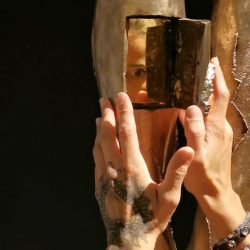
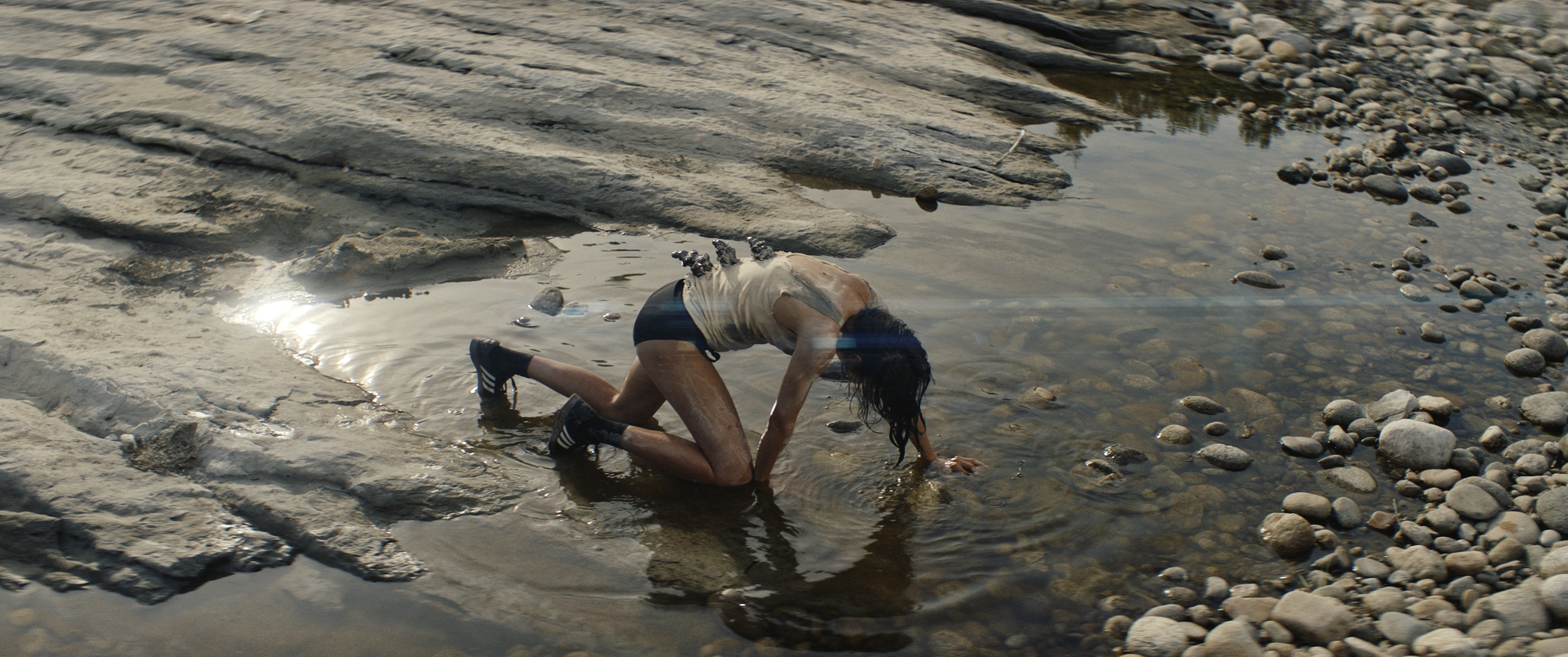
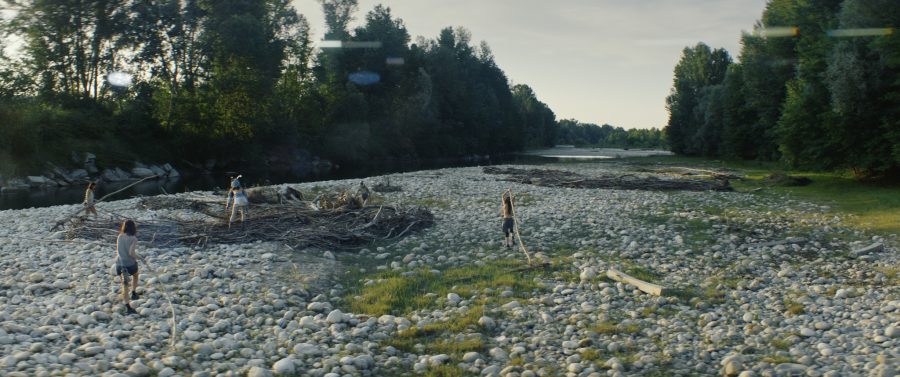
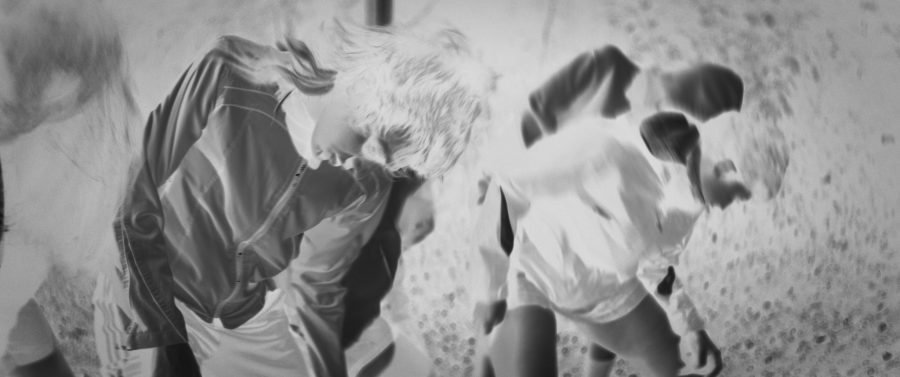
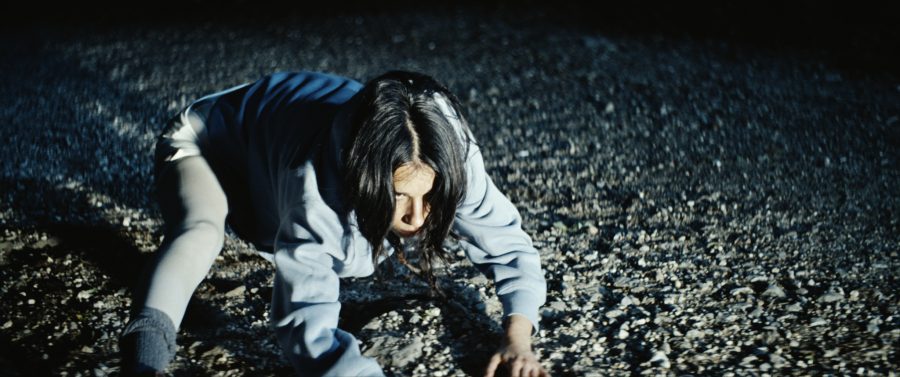
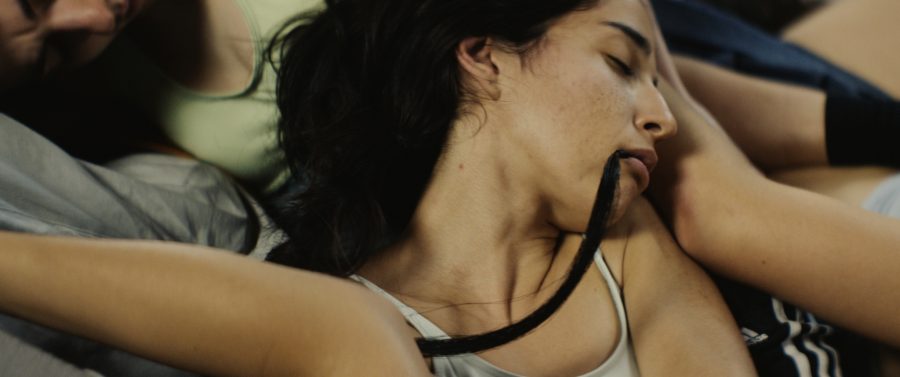
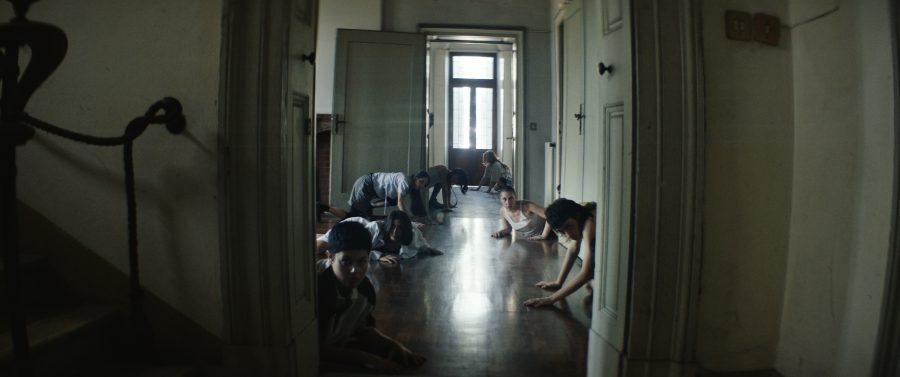
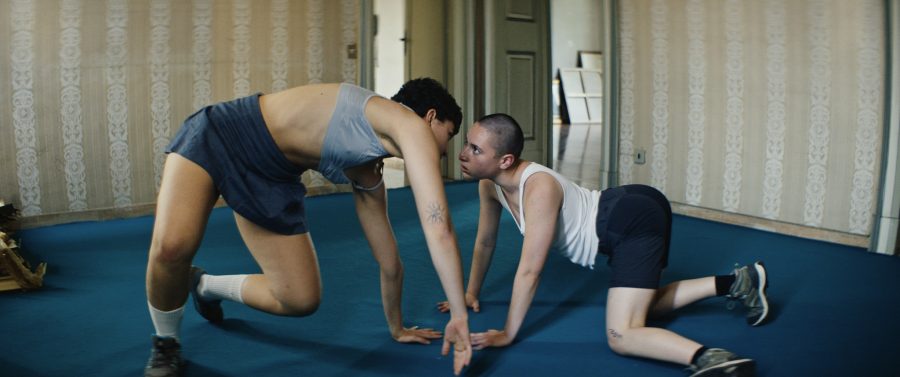
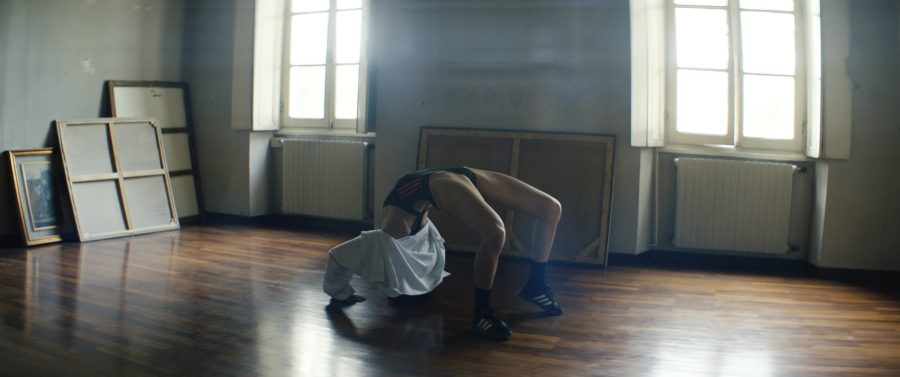
Baccanti is an art and dance film that addresses themes of violence against women, gender discrimination, and multispecies imaginaries.
At its core lies a choreographic exploration of the body, understood as a political space in constant transformation. The film investigates the notion of a “new feminine” that transcends gender stereotypes and undergoes a process of metamorphosis: bodies merge with animal presences through gestures of resistance and redefinition, overturning the mechanisms of patriarchal control and oppression.
The body thus becomes an agent of transformation and passage—a meeting ground with otherness, where movement emerges as a language of care, contamination, and resistance. The performers abandon a purely human dimension to unite with their animal symbionts, as a response to trauma.
Its structure follows the three stages of Greek tragedy—prologue, conflict, and catharsis—allowing the film to exist both as a unified narrative and as a trilogy.
Inspired by ecofeminist and posthumanist theories, particularly the writings of Donna Haraway and Federica Timeto, the film envisions a sympoietic future rooted in interspecies solidarity and shared forms of knowledge. Within this horizon, the feminine is no longer solely a site of vulnerability, but becomes a symbol of resilience and regeneration.
In this way, Baccanti opens onto possible new worlds, where bodies free themselves from imposed narratives and begin to shape futures beyond anthropocentrism. Baccanti, video art film , anamorphic film, 2.39:1, 2025. 1/5 edition
At its core lies a choreographic exploration of the body, understood as a political space in constant transformation. The film investigates the notion of a “new feminine” that transcends gender stereotypes and undergoes a process of metamorphosis: bodies merge with animal presences through gestures of resistance and redefinition, overturning the mechanisms of patriarchal control and oppression.
The body thus becomes an agent of transformation and passage—a meeting ground with otherness, where movement emerges as a language of care, contamination, and resistance. The performers abandon a purely human dimension to unite with their animal symbionts, as a response to trauma.
Its structure follows the three stages of Greek tragedy—prologue, conflict, and catharsis—allowing the film to exist both as a unified narrative and as a trilogy.
Inspired by ecofeminist and posthumanist theories, particularly the writings of Donna Haraway and Federica Timeto, the film envisions a sympoietic future rooted in interspecies solidarity and shared forms of knowledge. Within this horizon, the feminine is no longer solely a site of vulnerability, but becomes a symbol of resilience and regeneration.
In this way, Baccanti opens onto possible new worlds, where bodies free themselves from imposed narratives and begin to shape futures beyond anthropocentrism. Baccanti, video art film , anamorphic film, 2.39:1, 2025. 1/5 edition