

work
Hanoi
| category | Photography |
| subject | Political / Social, Landscape, Human figure, Beauty, Architecture |
| tags | cantiere, abitare, operai, classi, workers, analisi della società, reportage , vietnam, hanoi, 2008, building site, struttura, sovrastruttura, analogica, osservare, dialogare, intervistare, costruzione, disegnare, work |
| base | 100 cm |
| height | 77 cm |
| depth | 0 cm |
| year | 2008 |
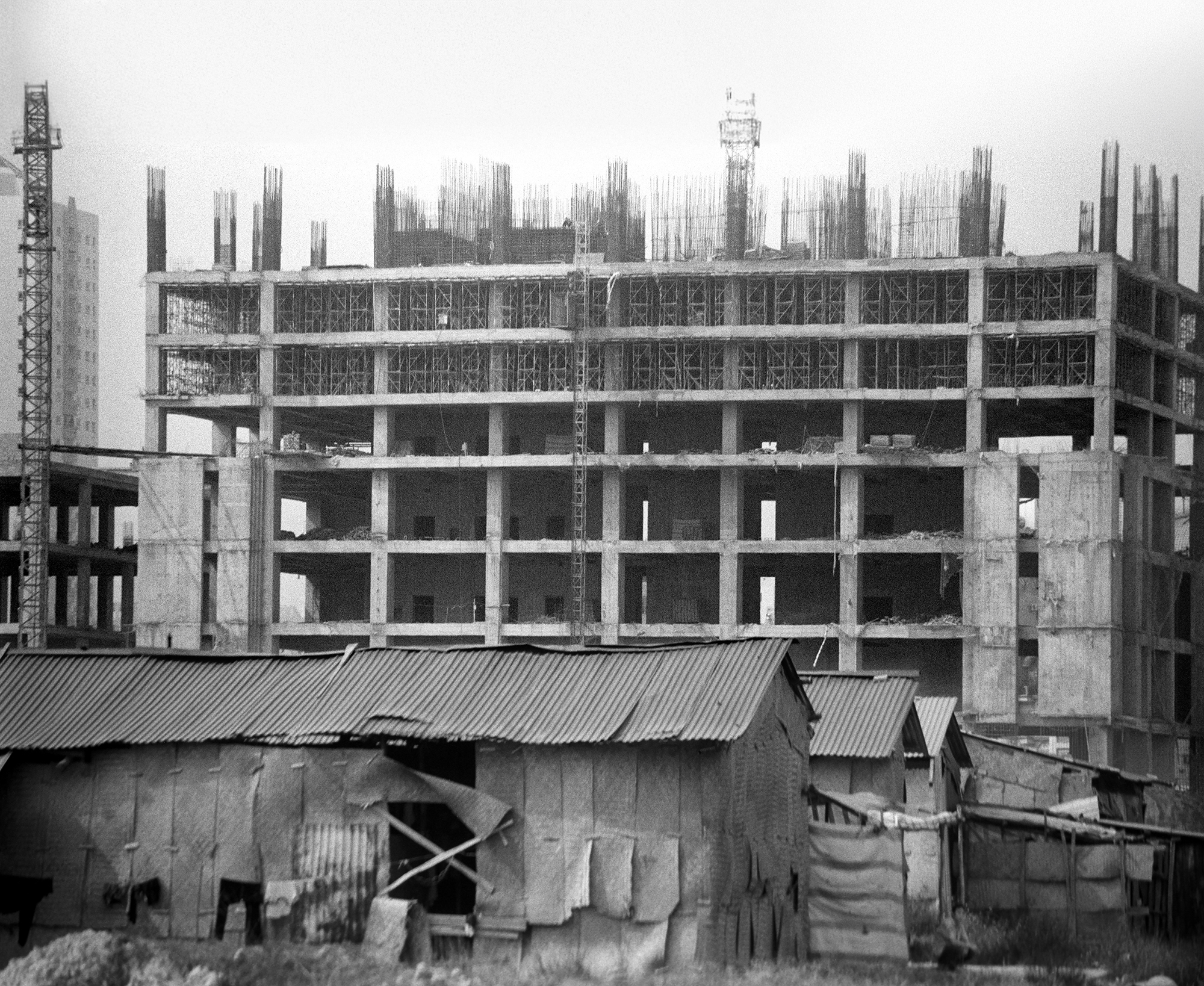
Analogic camera, unique work, Fujifilm photographic paper on wooden support.
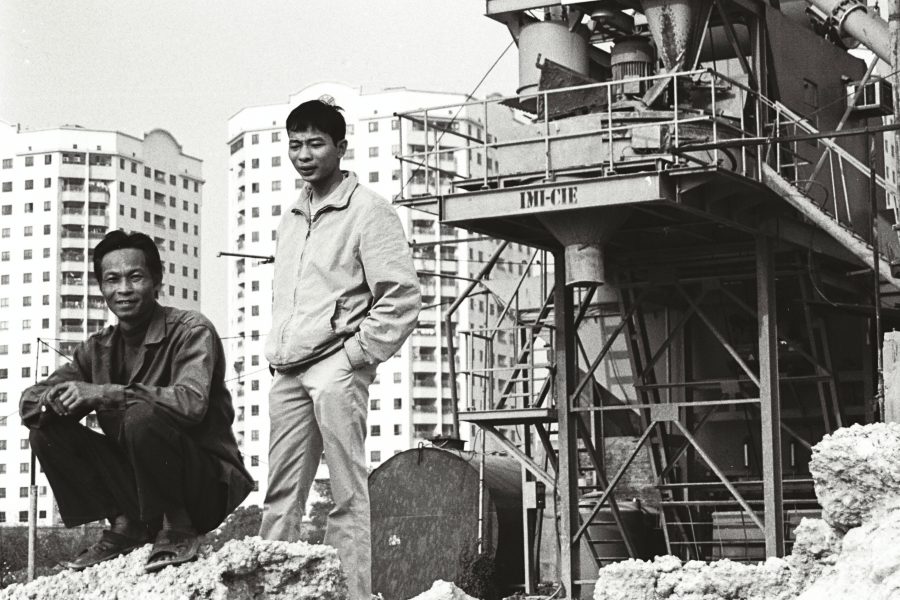
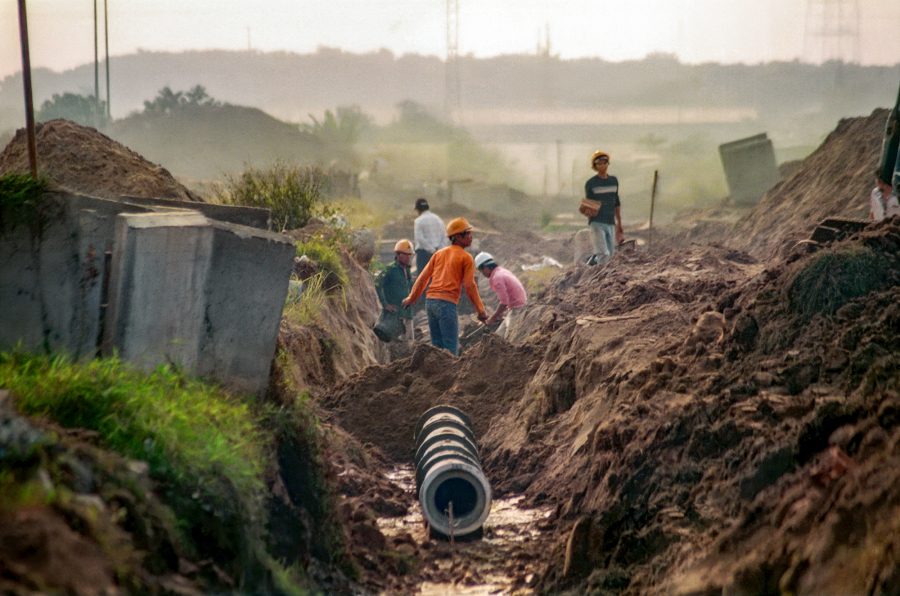
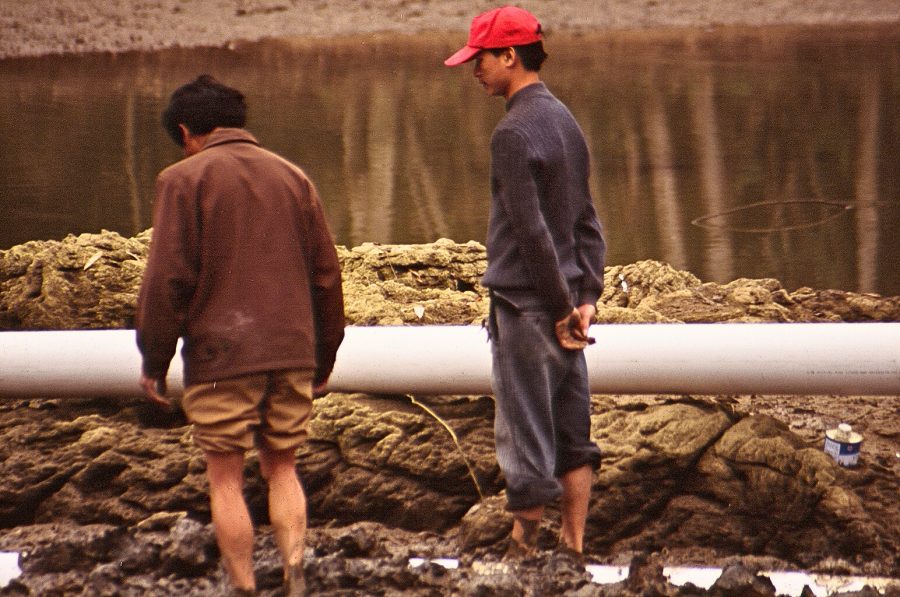
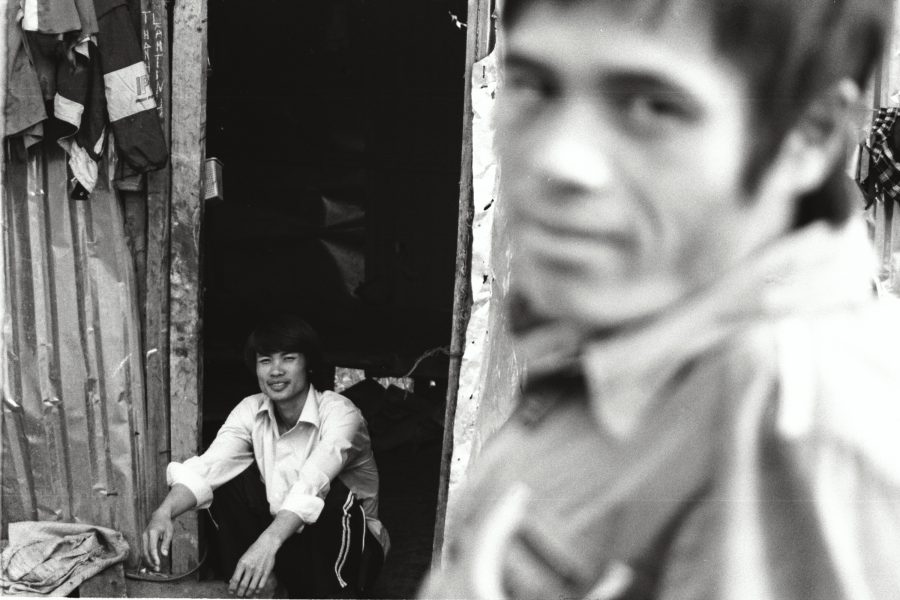
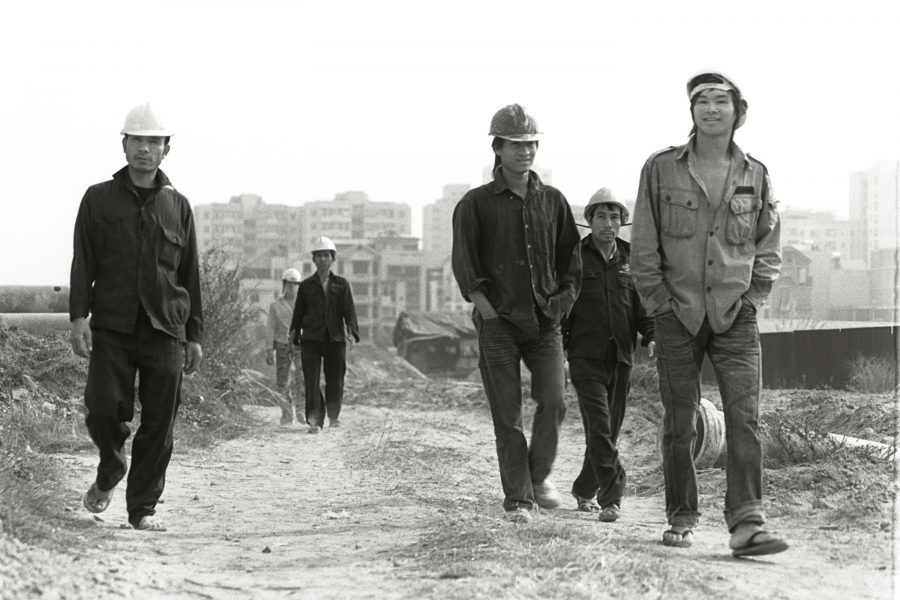
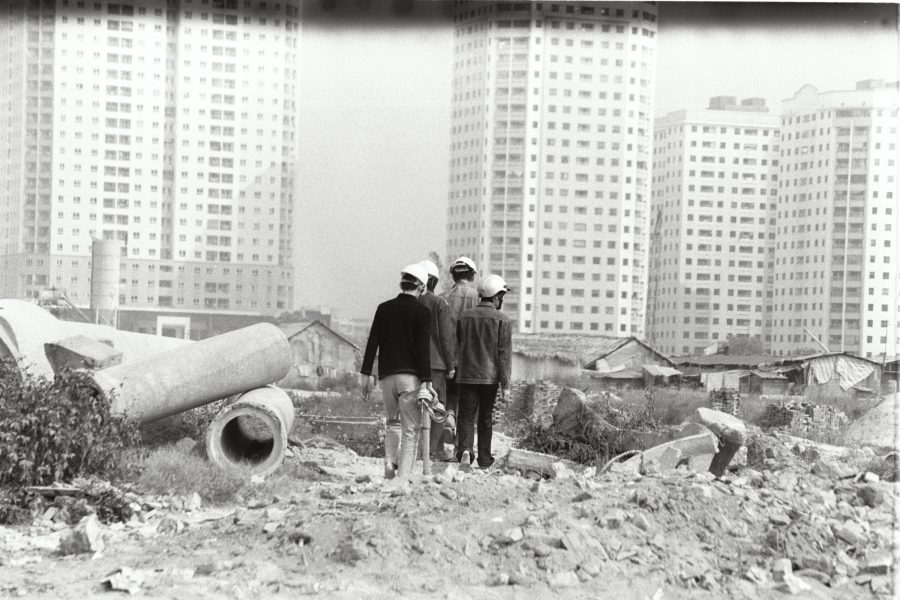
At the time of my reportage, between 2000 and 2018, I felt that my strongest calling was to tell the stories of other people's lives, to get inside them. The photo “Hanoi”, taken in 2008 during the two months I spent living in and around a construction site, was born precisely from this urge.
In those years, I was guided solely by the desire to discover the world, to understand places thoroughly, to let myself be transformed by my travels and the people I met. In those years, my research was still strongly rooted in Marxist studies. I saw in those scaffolding and shared rooms the intertwining of structure and superstructure, the materialisation of the relationship between capital and modes of production.
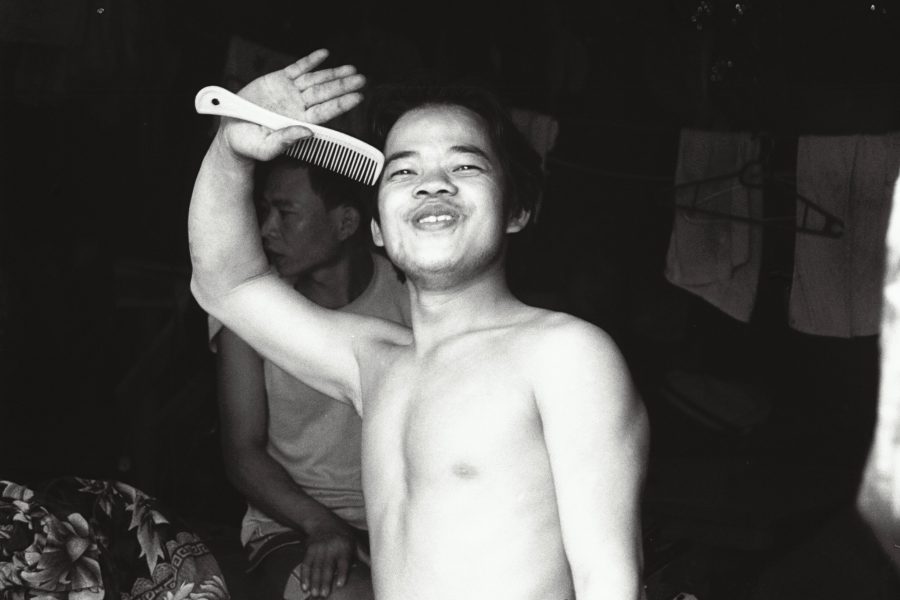
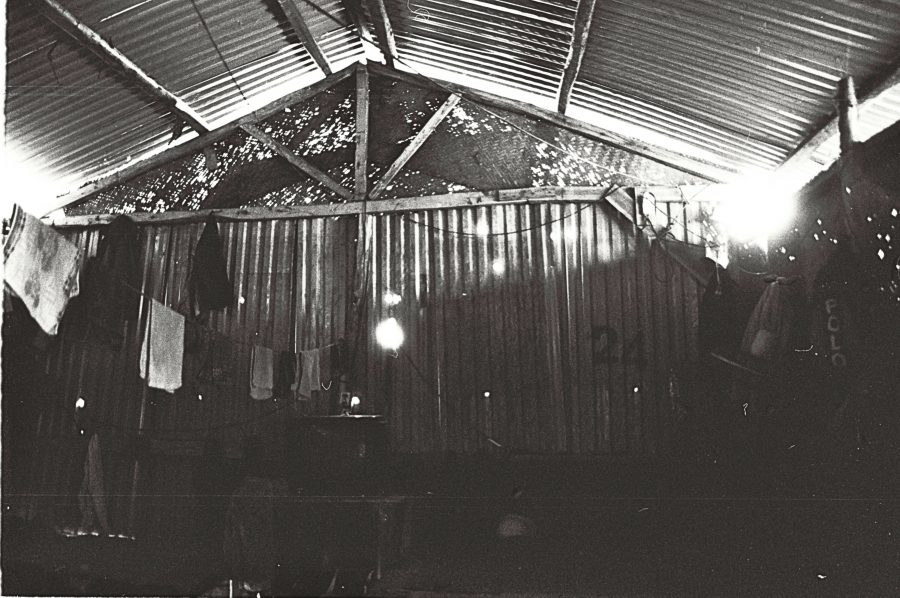
The images from that period sought to capture this tension: life in workers' accommodation, breaks from work, daily journeys to and from the construction site, the suspension in the dormitories. But there was also a deeper listening, a need to understand the human dimension that lurked in that shared time.
Over the years, the construction site has become less and less an economic device for me and more and more a phenomenological place, that is, a space in which to observe Man facing his own time, his own fatigue, his own questions.
The worker ceased to be an aesthetic subject and revealed himself to be an archetype: the one who transforms the world and, in doing so, is transformed himself. This double metamorphosis – of the environment and of the human being – became the key to interpreting my work, a way of questioning the cultural mechanisms of productivity, efficiency and personal identity. In working-class contexts, I still seek the collective history and psychic history of man.
The questions that moved me then continue to accompany me:
Who are these people really?
What is the meaning of building?
What remains of the worker in the material?
What memory does the built space hold?
The original impulse for this research has its roots in a trip to Africa at the end of 1997, where I encountered an energy that I could not name and that gave rise to my way of looking at and questioning the world and, ultimately, myself.
At the time of my reportage, between 2000 and 2018, I felt that my strongest calling was to tell the stories of other people's lives, to get inside them. The photo “Hanoi”, taken in 2008 during the two months I spent living in and around a construction site, was born precisely from this urge.
In those years, I was guided solely by the desire to discover the world, to understand places thoroughly, to let myself be transformed by my travels and the people I met. In those years, my research was still strongly rooted in Marxist studies. I saw in those scaffolding and shared rooms the intertwining of structure and superstructure, the materialisation of the relationship between capital and modes of production.
The images from that period sought to capture this tension: life in workers' accommodation, breaks from work, daily journeys to and from the construction site, the suspension in the dormitories. But there was also a deeper listening, a need to understand the human dimension that lurked in that shared time.
Over the years, the construction site has become less and less an economic device for me and more and more a phenomenological place, that is, a space in which to observe Man facing his own time, his own fatigue, his own questions.
The worker ceased to be an aesthetic subject and revealed himself to be an archetype: the one who transforms the world and, in doing so, is transformed himself. This double metamorphosis – of the environment and of the human being – became the key to interpreting my work, a way of questioning the cultural mechanisms of productivity, efficiency and personal identity. In working-class contexts, I still seek the collective history and psychic history of man.
The questions that moved me then continue to accompany me:
Who are these people really?
What is the meaning of building?
What remains of the worker in the material?
What memory does the built space hold?
The original impulse for this research has its roots in a trip to Africa at the end of 1997, where I encountered an energy that I could not name and that gave rise to my way of looking at and questioning the world and, ultimately, myself.