

work
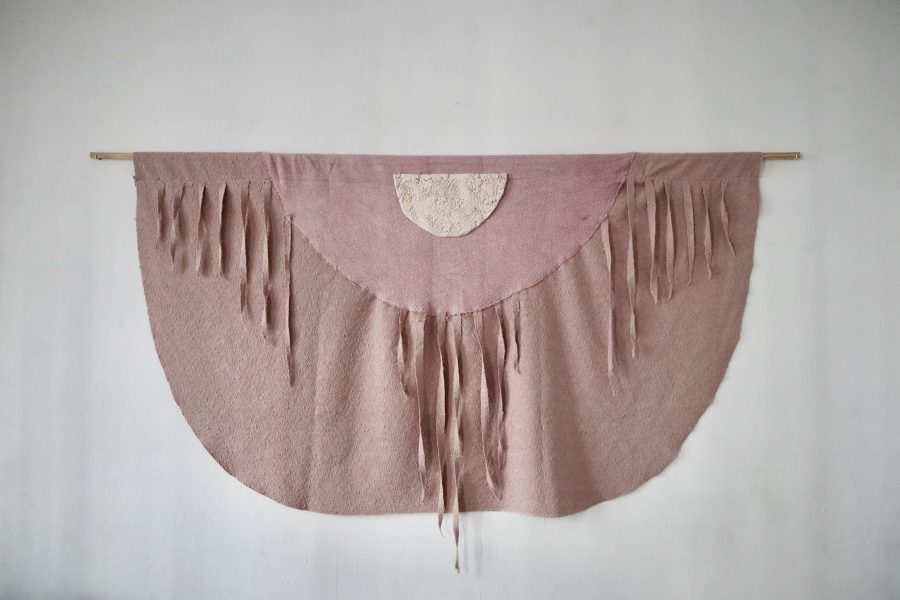
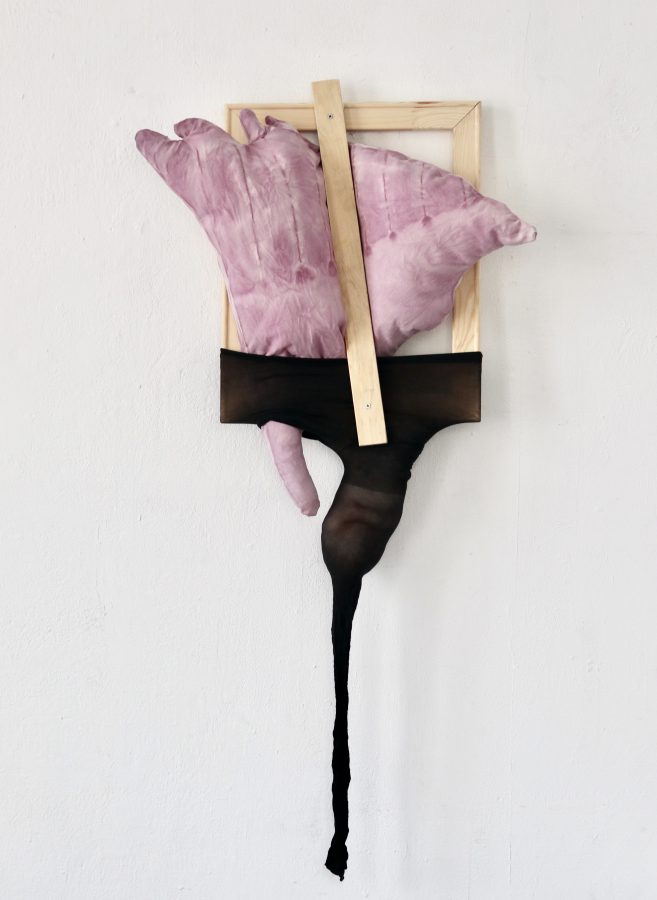
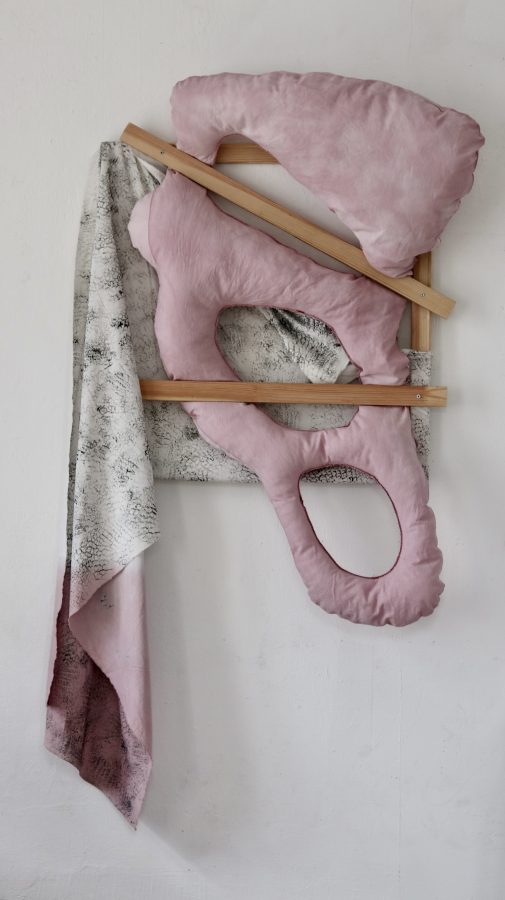
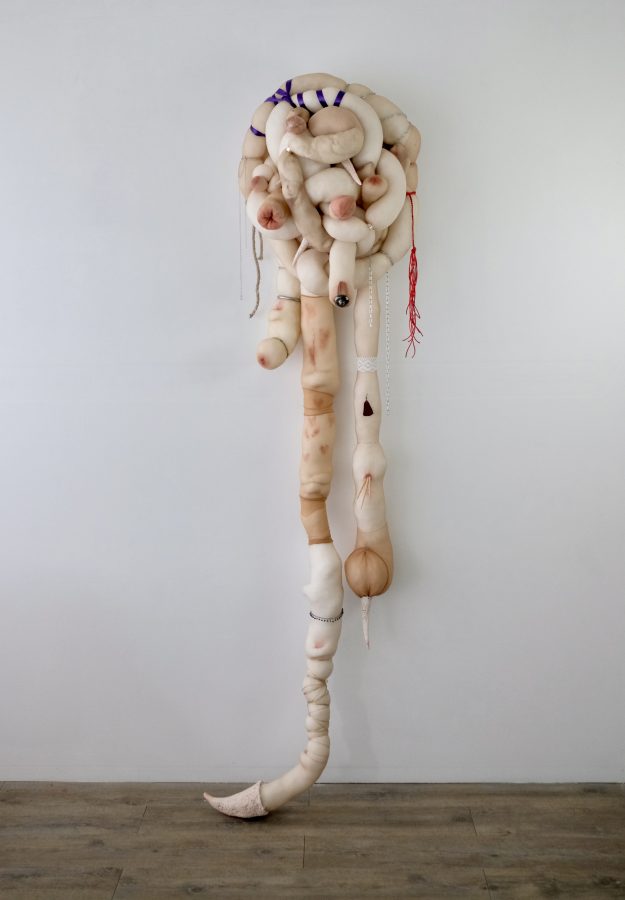
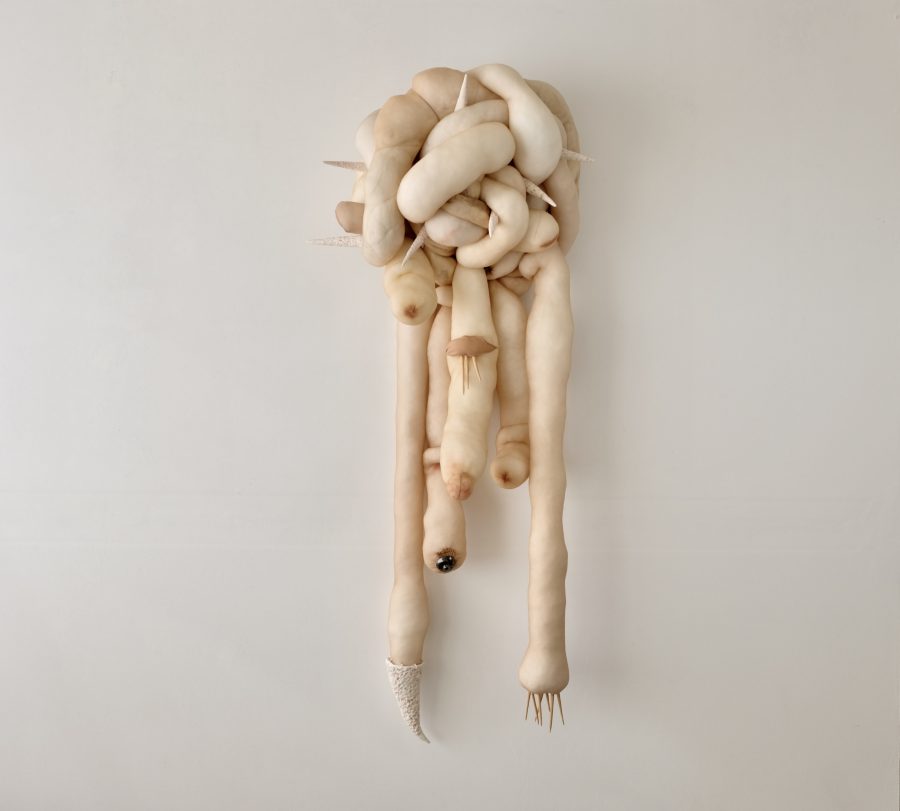
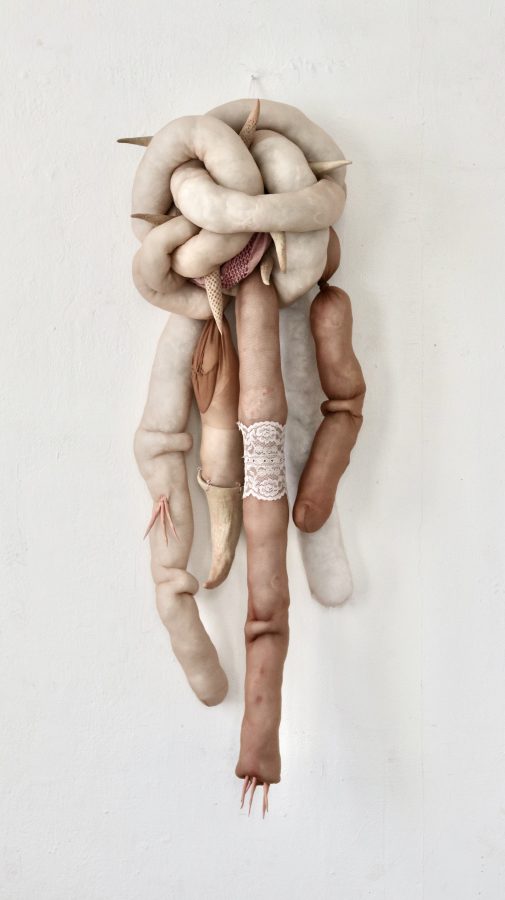
Strange Foreign Bodies – serie
| category | Sculpture |
| subject | Erothism, Animal, Human figure |
| tags | mistero , abisso, estraneo, corpo, estraneità del corpo, futuro interno, interiora, ibrido, straniero, corpi estranei, estraneità |
| base | 70 cm |
| height | 200 cm |
| depth | 60 cm |
| year | 2024 |
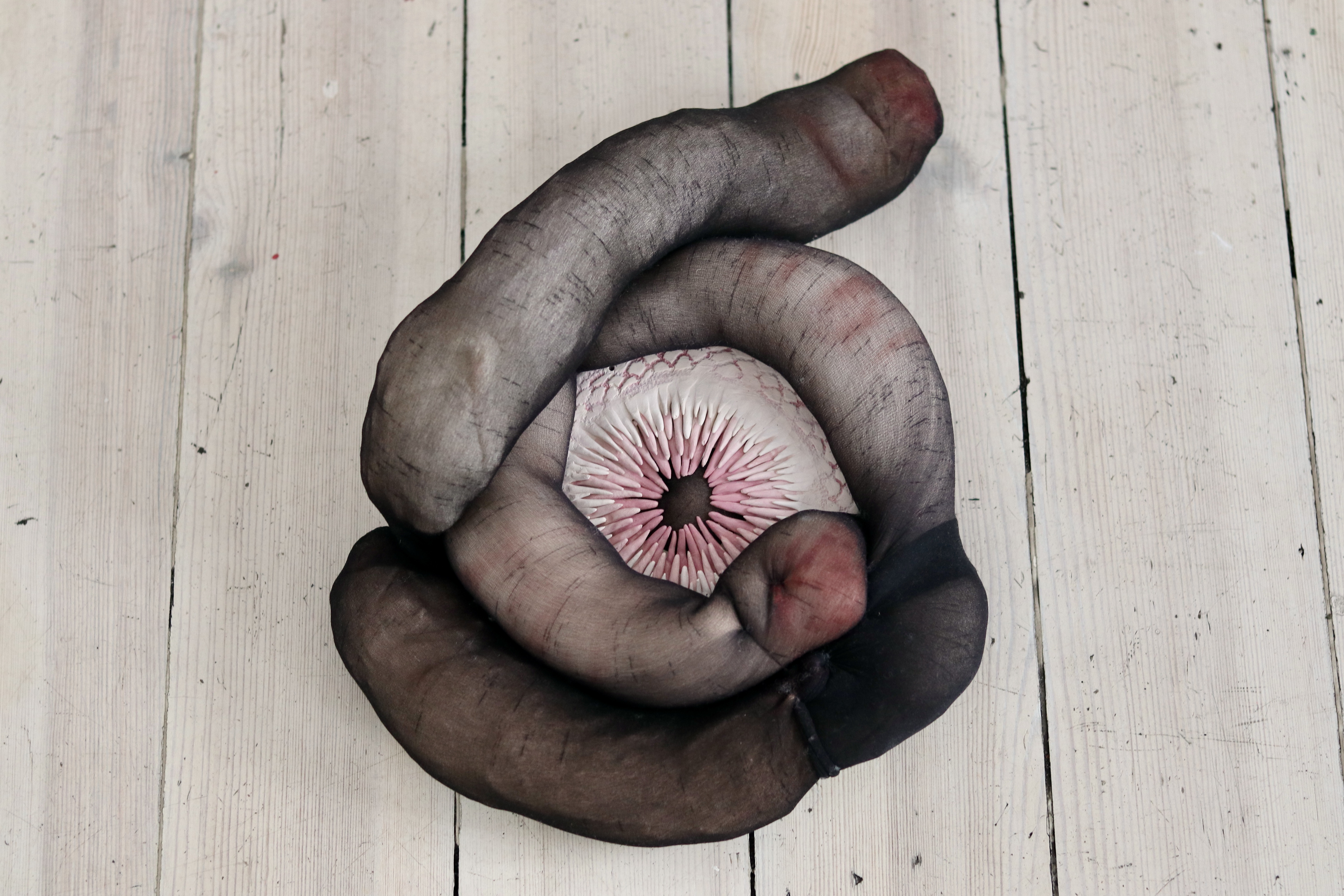
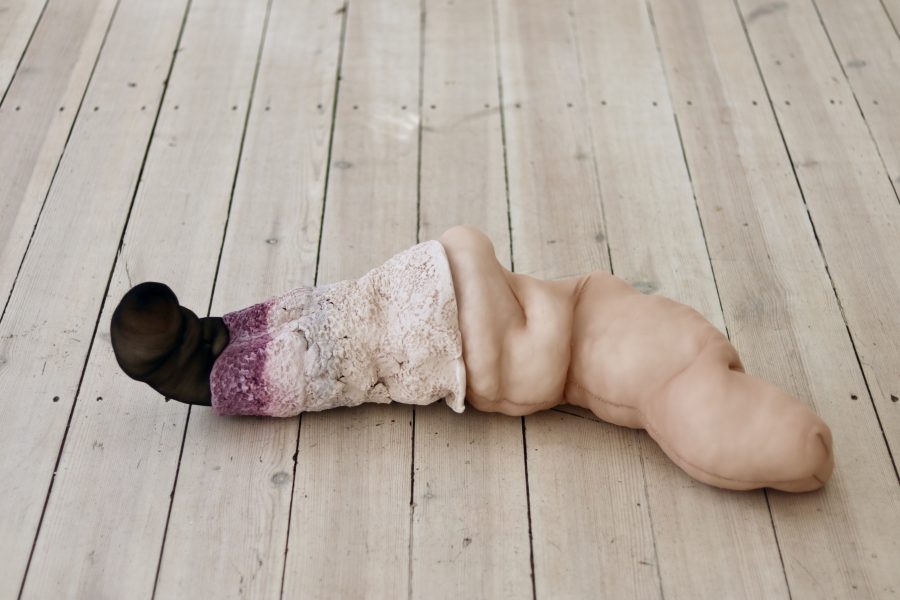
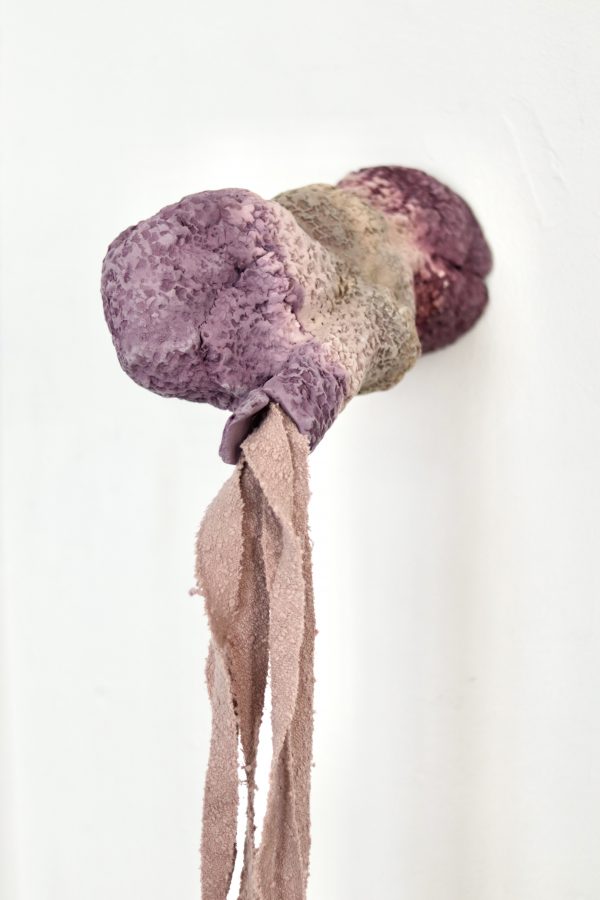
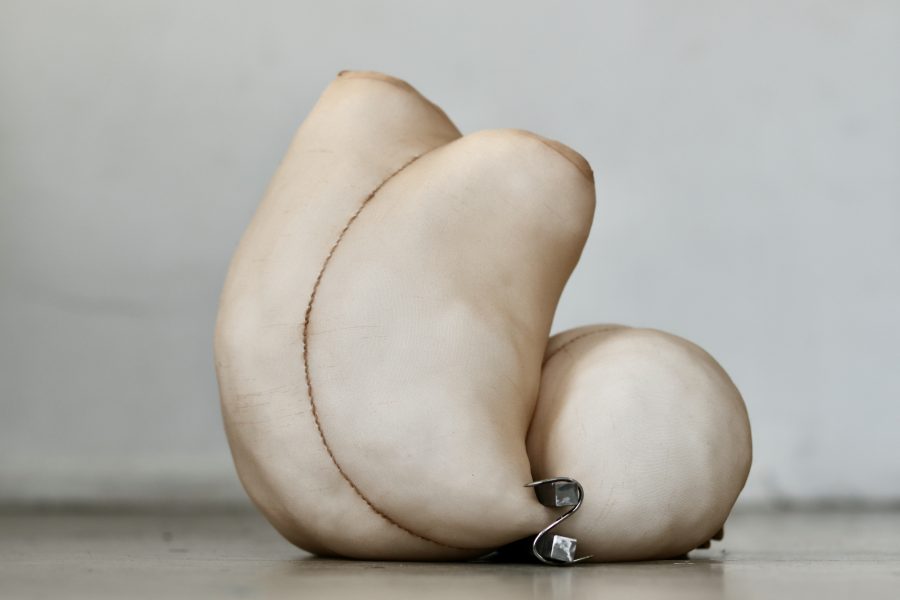
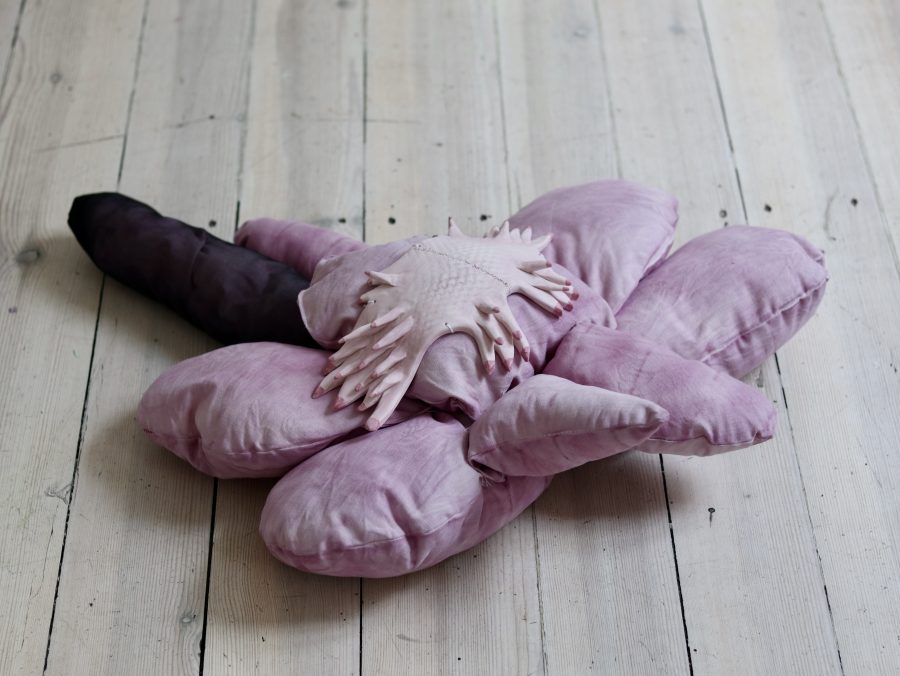
Nylon, polyester, ceramic, wine, makeup, wood, iron, cotton, linen, tulle
We are currently experiencing a period of profound darkness, characterized by ongoing wars, tragic losses of migrants at sea, and the alarming rate of femicides (in Italy, one every three days). Social media inundates us with images of devastation and suffering, accompanied by cries for help and expressions of despair. In this context, we are confronted with the fragility of life, perpetually aware of our vulnerability and uncertain about our future.
Bodies.
Wounded, eviscerated, rebellious, and non-conforming bodies.
Bodies that we often feel entitled to judge, possess, or even eliminate.
In this era, bodies emerge as sites of resistance and existence, challenging the social and political norms of our time.
The body is not merely a sum of anatomical parts but a boundary, a threshold between ourselves and the external world. Despite its centrality in our human experience, the body remains largely enigmatic and elusive, evading our attempts to fully comprehend its complexity. We seek meaning behind its physiological functions, questioning why our bodies are shaped this way and what it truly means to be embodied. In a world where technology and science enable us to delve ever deeper into the organism we inhabit, we still find ourselves confronted with a profound sense of wonder and uncertainty regarding our own corporeality, its delicacy, and it's inexplicable power.
The body manifests as a possibility of extension and expansion in space, simultaneously a threshold and a limit. Its skin, tissue, and functions are constantly exposed to the fragility of human existence, vulnerable to diseases, traumas, and imperfections. It serves as a terrain of memory and experience, a site of meaning and beauty that connects us to others and the world around us.
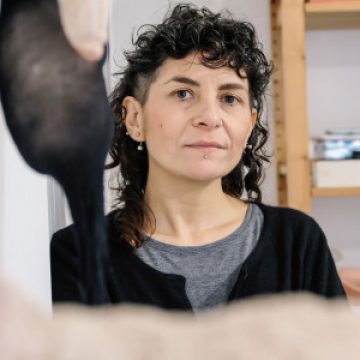
These concepts have emerged as the focal point of Camilla Marinoni’s most recent research, inspired by the texts of philosopher Jean Luc Nancy and biologist philosopher Telmo Pievani.
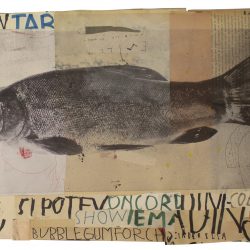
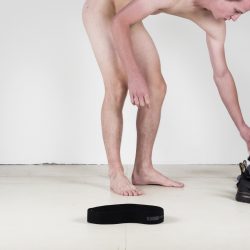
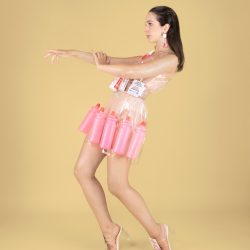
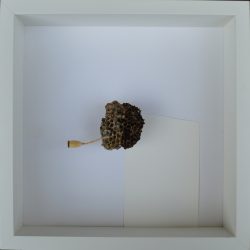
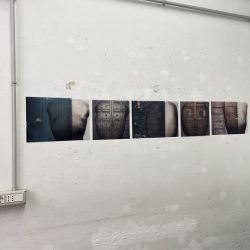
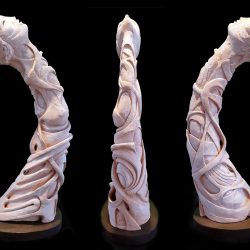
During the three-month residency, Marinoni produced a series of works encompassing sculptures and installations. Intertwining fabric and ceramics, she blends natural materials such as, cotton, linen, wood, and iron with organic elements familiar to the artist, such as wine and makeup. In addition, she enriched the artworks with a note of visceral intensity by incorporating plaster casts of bovine stomachs, thereby emphasizing the emotional depth of her sculptures.
Through the project, "Strange Foreign Bodies”, Camilla Marinoni evokes a body observed up close, with its crevices and multiple forms laid bare. It is a gaze that seeks to transcend the enigma of the body's impenetrability, to delve into the unfathomable aspects of nature, and to uncover the traces of life that course through it.
We are currently experiencing a period of profound darkness, characterized by ongoing wars, tragic losses of migrants at sea, and the alarming rate of femicides (in Italy, one every three days). Social media inundates us with images of devastation and suffering, accompanied by cries for help and expressions of despair. In this context, we are confronted with the fragility of life, perpetually aware of our vulnerability and uncertain about our future.
Bodies.
Wounded, eviscerated, rebellious, and non-conforming bodies.
Bodies that we often feel entitled to judge, possess, or even eliminate.
In this era, bodies emerge as sites of resistance and existence, challenging the social and political norms of our time.
The body is not merely a sum of anatomical parts but a boundary, a threshold between ourselves and the external world. Despite its centrality in our human experience, the body remains largely enigmatic and elusive, evading our attempts to fully comprehend its complexity. We seek meaning behind its physiological functions, questioning why our bodies are shaped this way and what it truly means to be embodied. In a world where technology and science enable us to delve ever deeper into the organism we inhabit, we still find ourselves confronted with a profound sense of wonder and uncertainty regarding our own corporeality, its delicacy, and it's inexplicable power.
The body manifests as a possibility of extension and expansion in space, simultaneously a threshold and a limit. Its skin, tissue, and functions are constantly exposed to the fragility of human existence, vulnerable to diseases, traumas, and imperfections. It serves as a terrain of memory and experience, a site of meaning and beauty that connects us to others and the world around us.
These concepts have emerged as the focal point of Camilla Marinoni’s most recent research, inspired by the texts of philosopher Jean Luc Nancy and biologist philosopher Telmo Pievani.
During the three-month residency, Marinoni produced a series of works encompassing sculptures and installations. Intertwining fabric and ceramics, she blends natural materials such as, cotton, linen, wood, and iron with organic elements familiar to the artist, such as wine and makeup. In addition, she enriched the artworks with a note of visceral intensity by incorporating plaster casts of bovine stomachs, thereby emphasizing the emotional depth of her sculptures.
Through the project, "Strange Foreign Bodies”, Camilla Marinoni evokes a body observed up close, with its crevices and multiple forms laid bare. It is a gaze that seeks to transcend the enigma of the body's impenetrability, to delve into the unfathomable aspects of nature, and to uncover the traces of life that course through it.