

work
What time is it? What is time?
| category | Illustration |
| subject | Abstract |
| tags | tempo , disegno , oggetti , rottura , scrittura del tempo , sistema di misurazione , progetto , diario , annotazione diaristica |
| base | 500 cm |
| height | 200 cm |
| depth | 200 cm |
| year | 2025 |
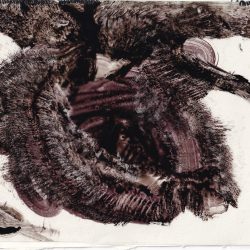
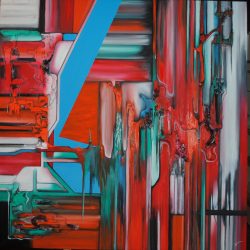
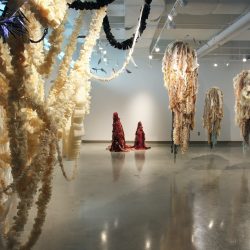
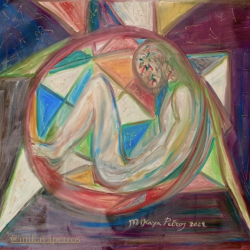
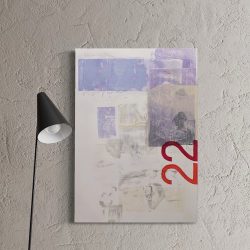
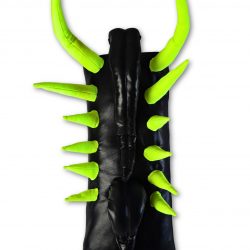
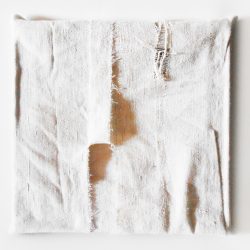
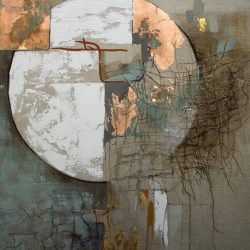
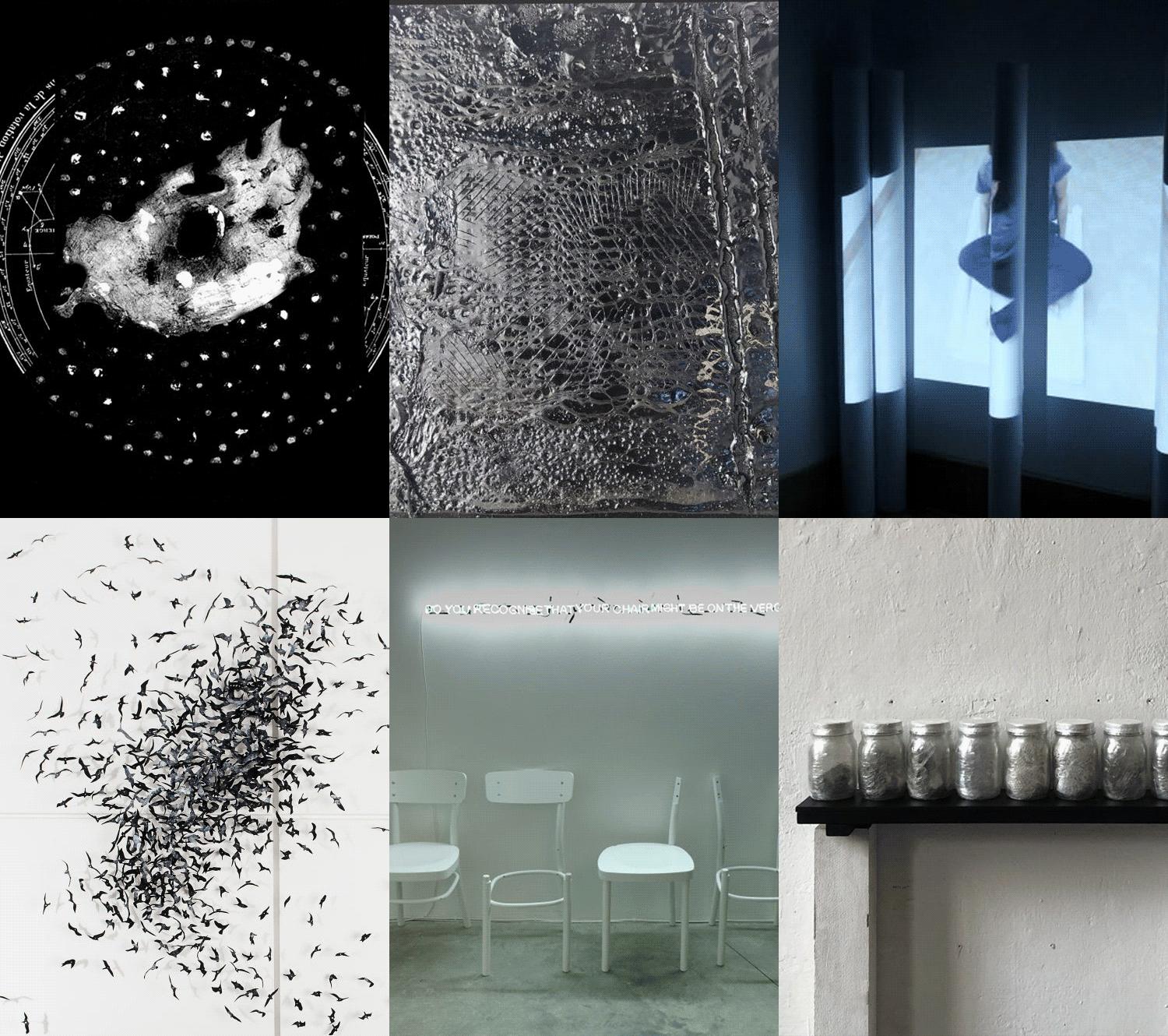
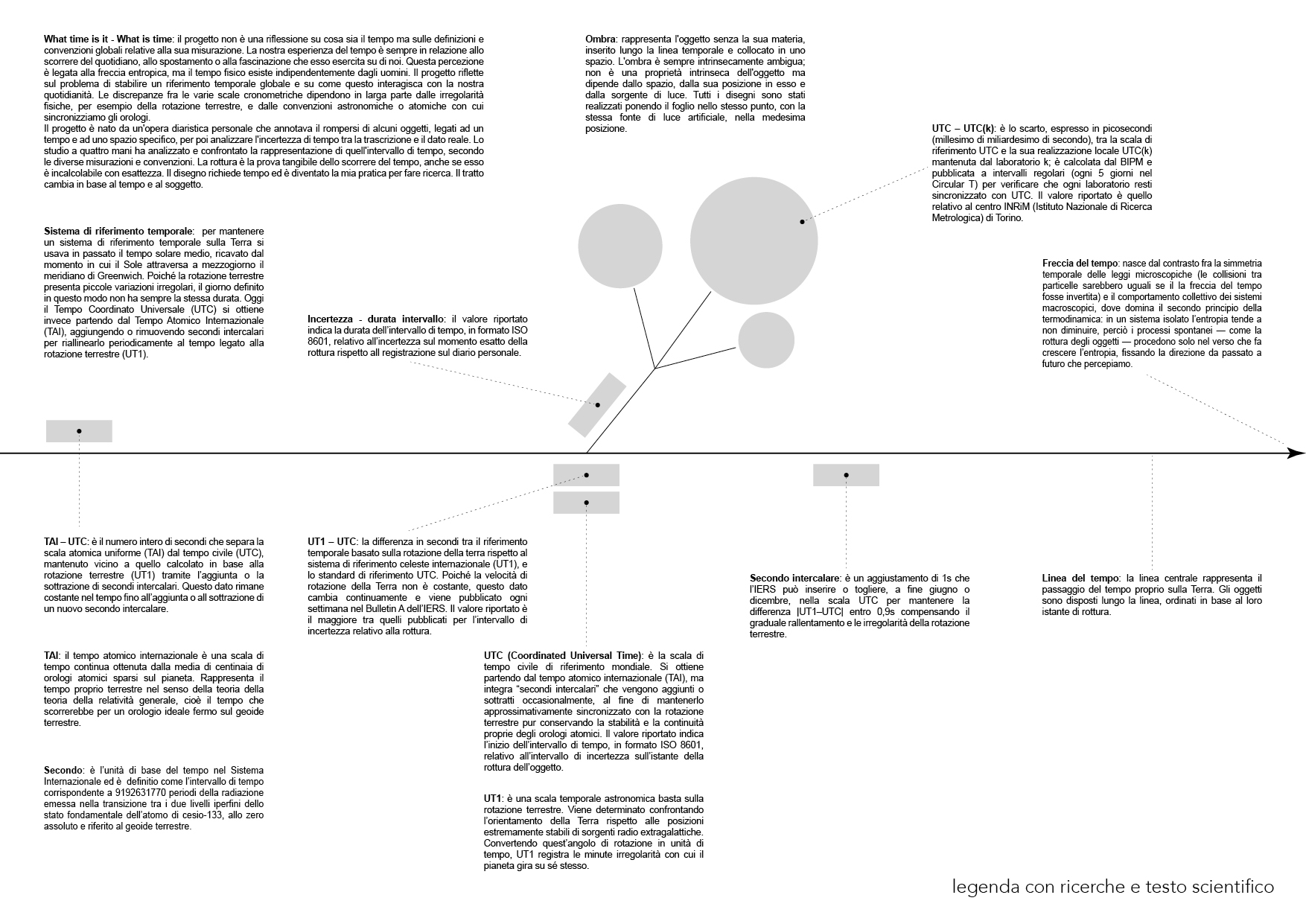
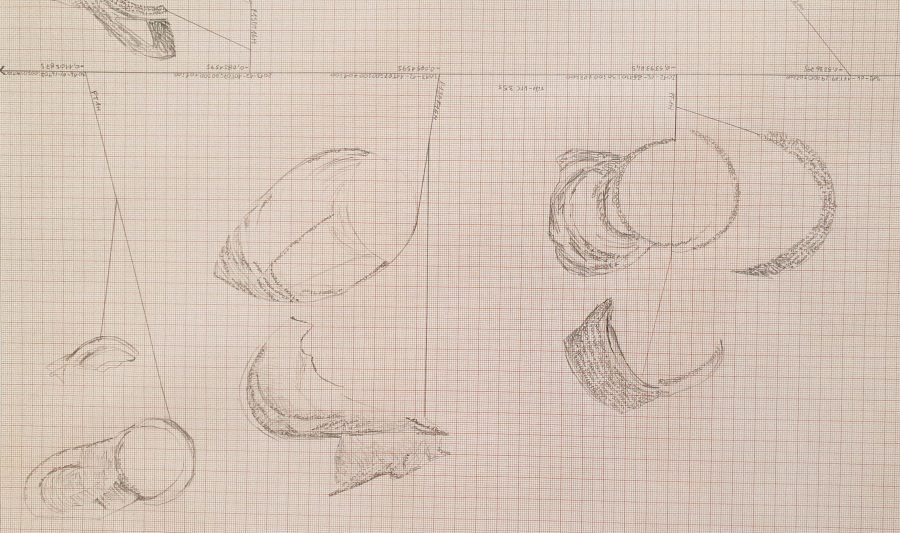
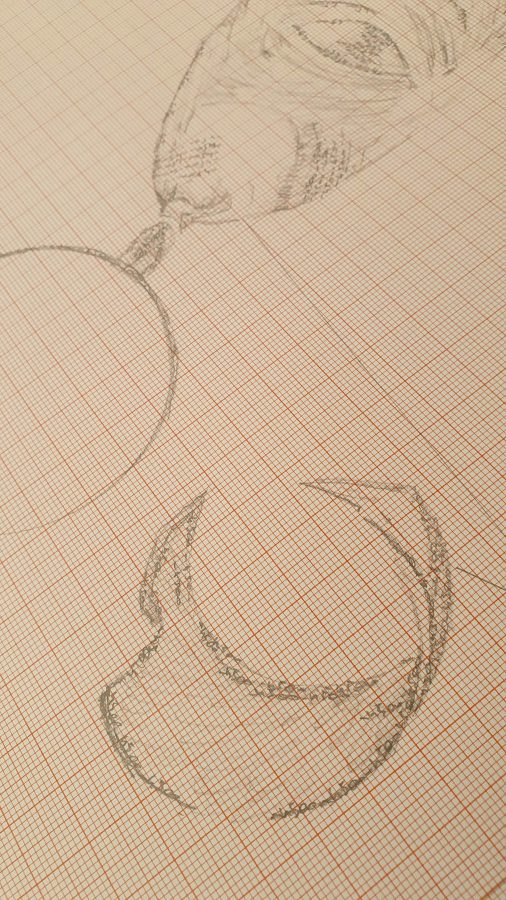
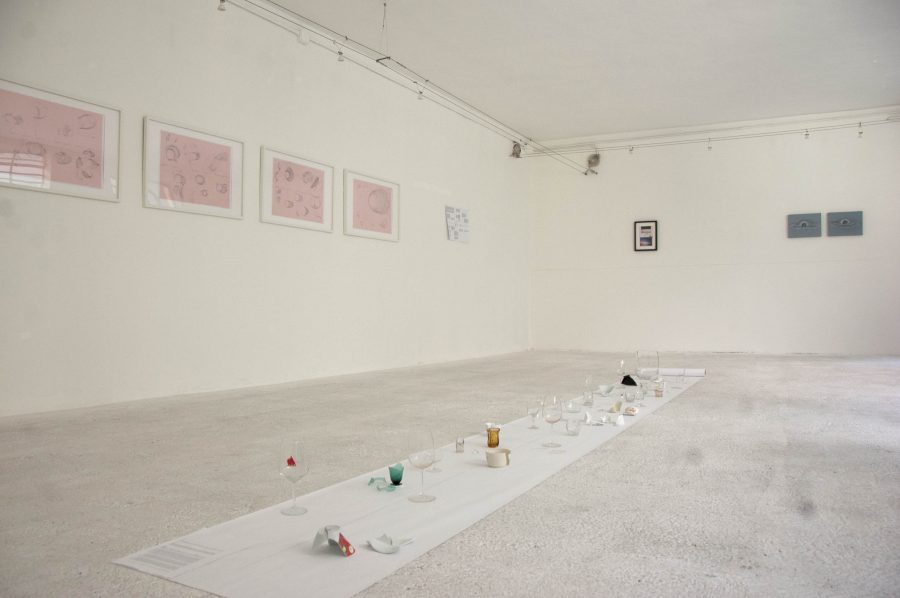
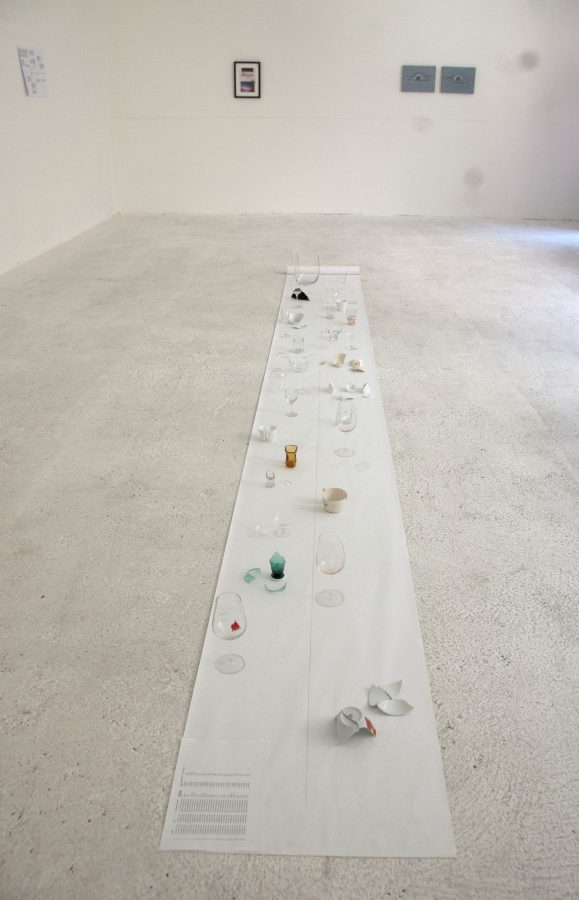
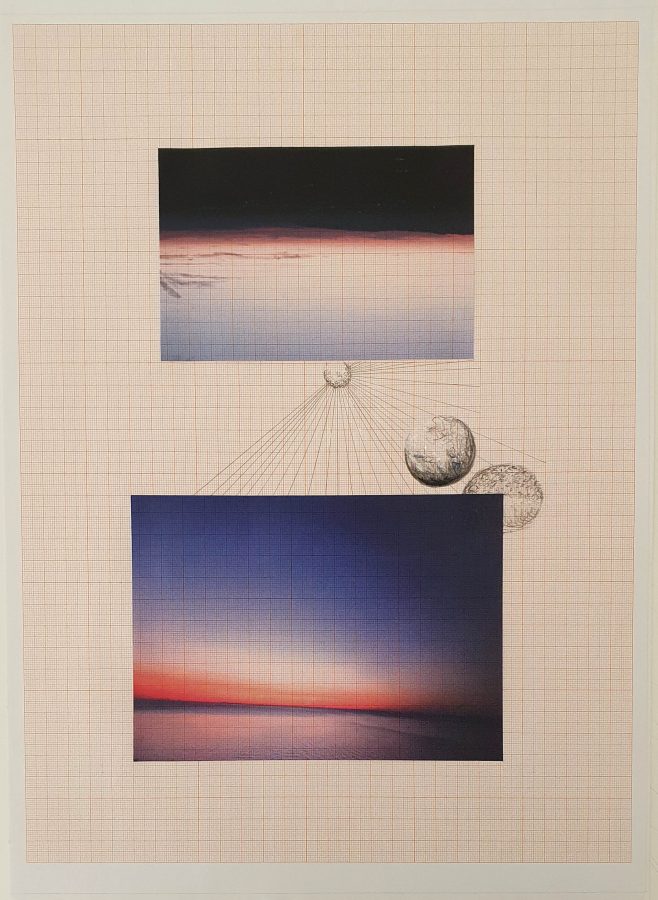
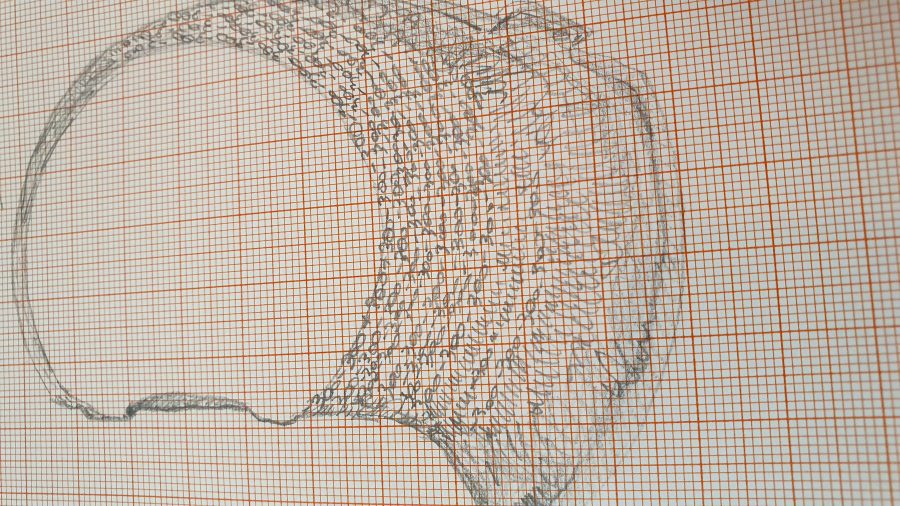
5 graphite drawing boards on graph paper, broken objects, two drawn canvases.
"What time is it - what is time" is a project that doesn't ask what time is, but how it is represented and what conventions are used. The research begins with a years-long diary recording, developed into a purely scientific one, thanks to the dialogue, research, and collaboration of science advisor Massimiliano Rota, a researcher at the University of Bristol (UK). Our concept of time lies somewhere between the imaginative, the earthly, and the practical, linked to our movement, measuring, or recording, from the physical to the deliberately sentimental. The research began by comparing three methods for describing time: the first is linked to the fall of the cesium-133 atom that defines the second, the second is related to the Earth's motions in relation to the sun and the solar system, while the last uses computer systems and radio waves. The project features calculations and comparison tables that outline the shadows of broken objects, drawn on graph paper, arranged in succession along a line, chosen as a transmission channel to describe the progression of time on Earth. After accumulating the objects and personally noting the precise moment of breakage, the study focuses on observing uncertainty, the lapse of time that elapses between the actual breakage of the object and its transcription, the estimate and approximation of the clock used, comparing them with the standard conventions used to represent time.
"What time is it - what is time" is a project that doesn't ask what time is, but how it is represented and what conventions are used. The research begins with a years-long diary recording, developed into a purely scientific one, thanks to the dialogue, research, and collaboration of science advisor Massimiliano Rota, a researcher at the University of Bristol (UK). Our concept of time lies somewhere between the imaginative, the earthly, and the practical, linked to our movement, measuring, or recording, from the physical to the deliberately sentimental. The research began by comparing three methods for describing time: the first is linked to the fall of the cesium-133 atom that defines the second, the second is related to the Earth's motions in relation to the sun and the solar system, while the last uses computer systems and radio waves. The project features calculations and comparison tables that outline the shadows of broken objects, drawn on graph paper, arranged in succession along a line, chosen as a transmission channel to describe the progression of time on Earth. After accumulating the objects and personally noting the precise moment of breakage, the study focuses on observing uncertainty, the lapse of time that elapses between the actual breakage of the object and its transcription, the estimate and approximation of the clock used, comparing them with the standard conventions used to represent time.