

work
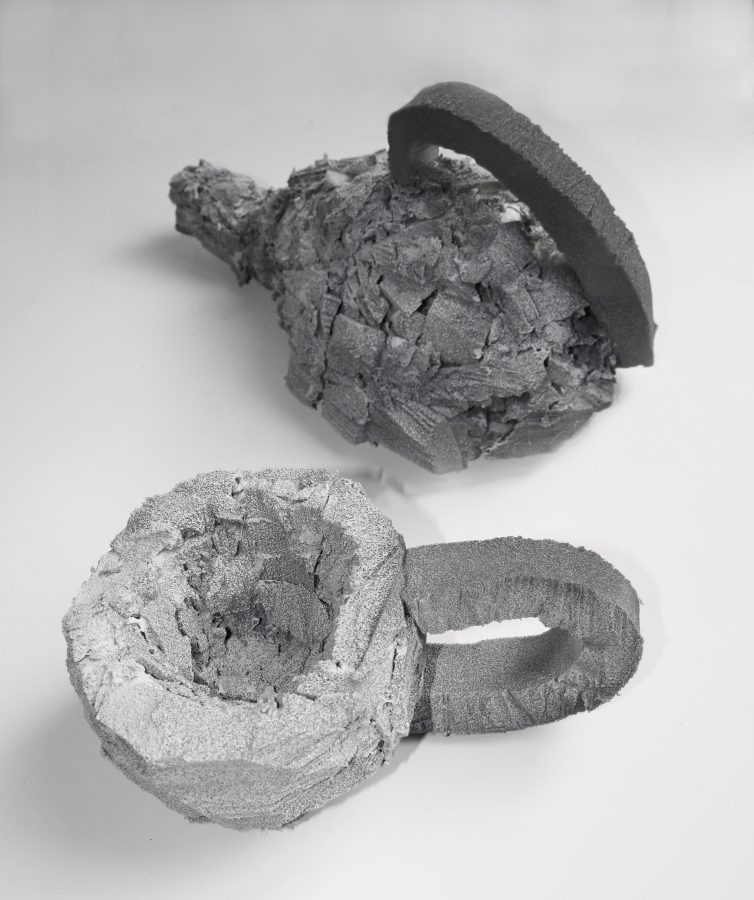
“Would you like a cup of me?” series – The Elephant in the Living room
| category | Sculpture |
| subject | Political / Social, Human figure |
| tags | cement, temporary, tea set, coquettish, set design, props, leggerezza, weight, tableware, crockery, pottery, convivium, living room, display, concrete |
| base | 19 cm |
| height | 17 cm |
| depth | 30 cm |
| year | 2025 |
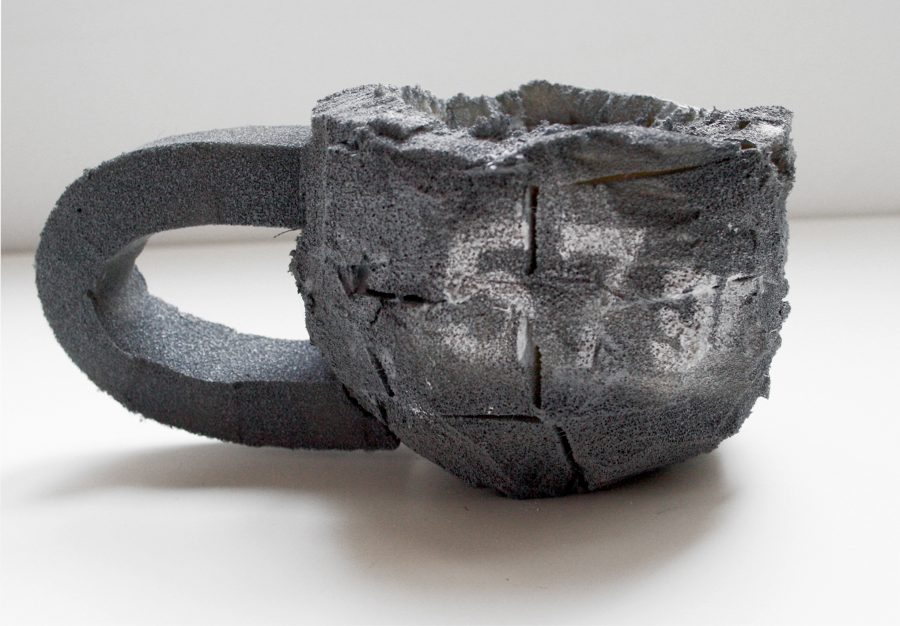
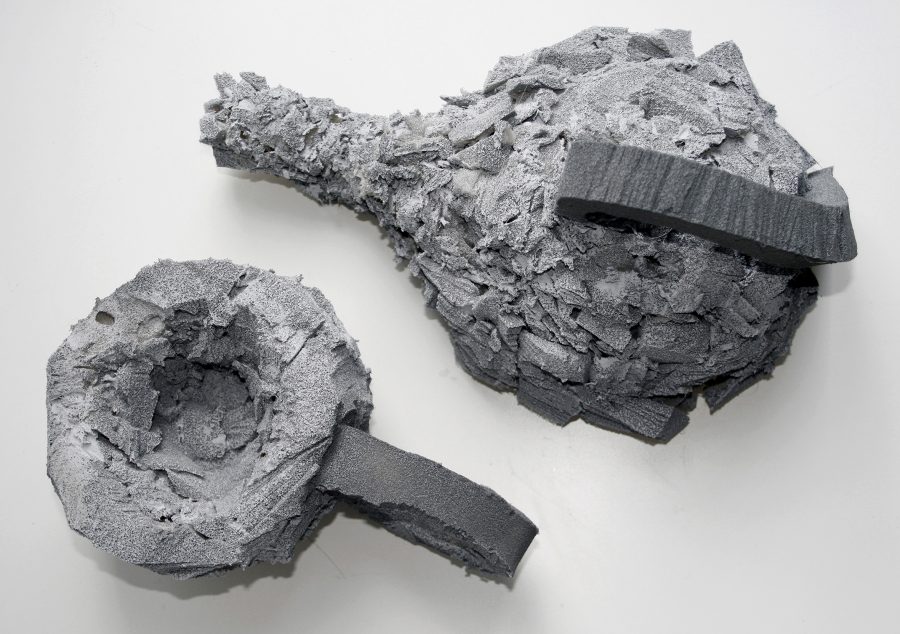
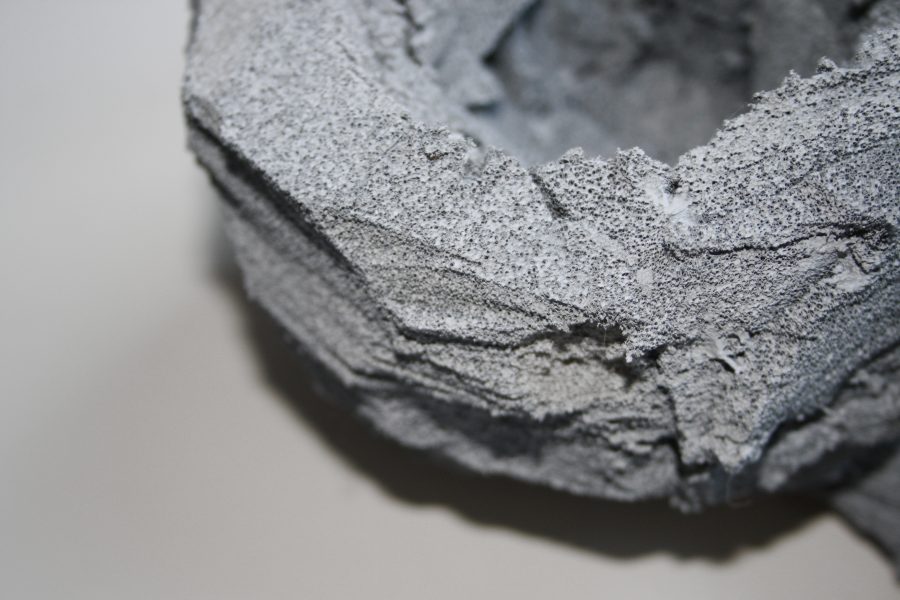
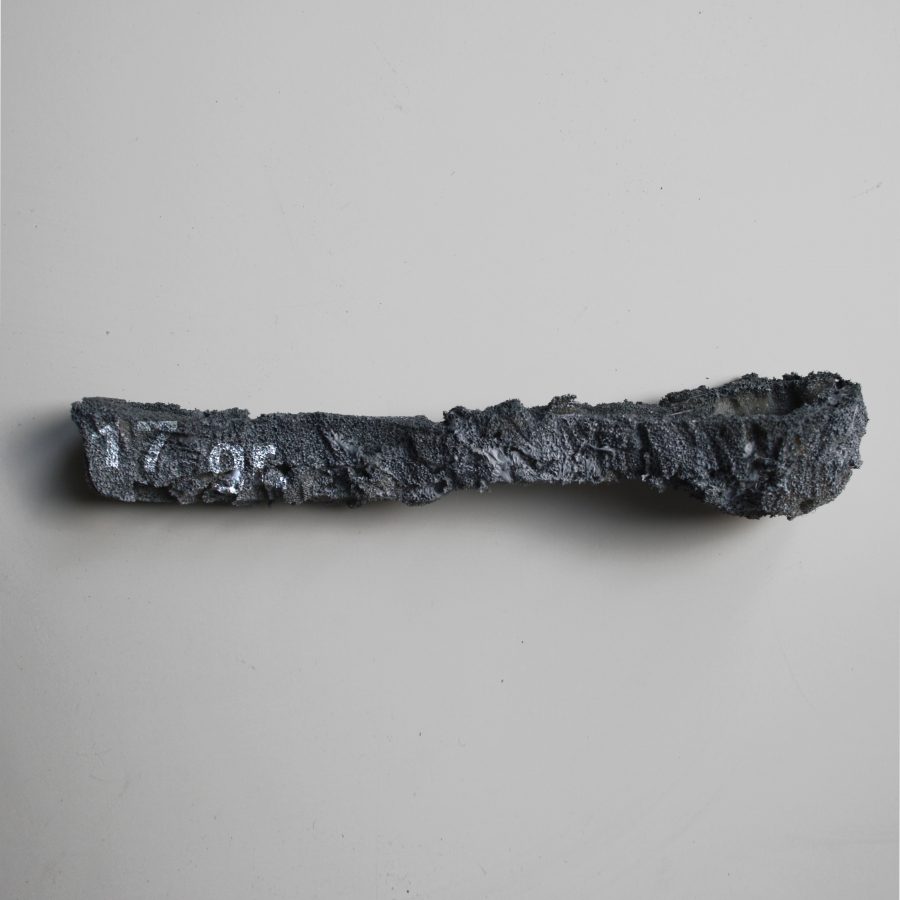
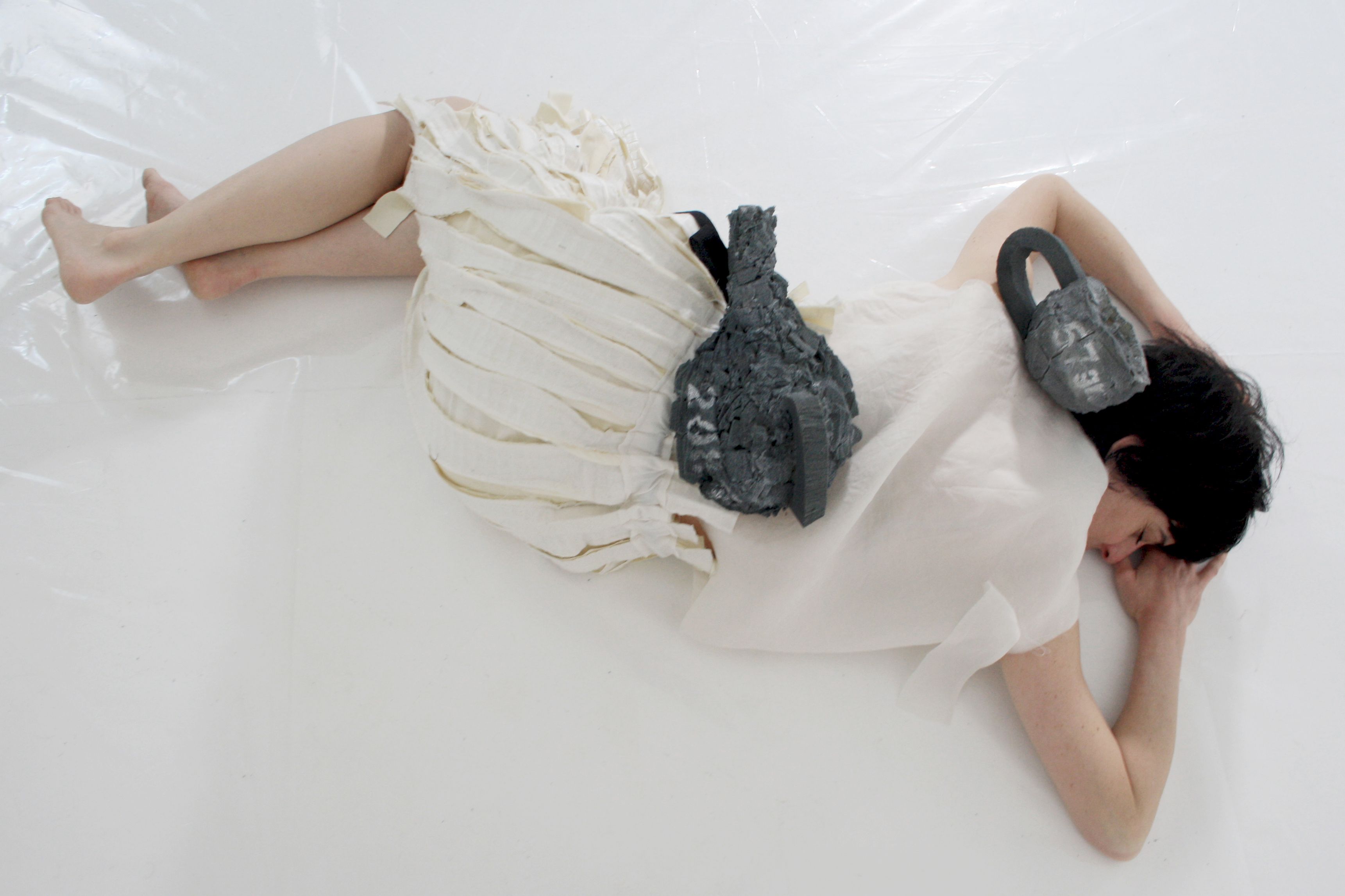
Foam rubber, acrylic spray.
Cement is mainly a binder made of limescale, clay, water.
Only adding rubble, it becomes concrete. During the smoothing process, the gravel remains shiny, creating an endless series of reflections, like mirrors embedded in the opaque material.
The specific weight of cement is determined by clay (or this is what the technical dictionaries say about it). The most malleable material, fragile and permeable.
And the weight of mirrors? How is it counted?
A reflection on the relativity of perception, on the concept of weight, understood as the attribution of different and personal importance to situations, thoughts and behaviors for each human being. But, at the same time, on weight as a burden that each person carries, weight of past situations imprinted in our mental (sometimes cultural) DNA.
How much do these interfere with the construction of one's own identity and how much with the one presented to the outside world? How important are one's weights in interpersonal relationships? And how much are they actually shown?
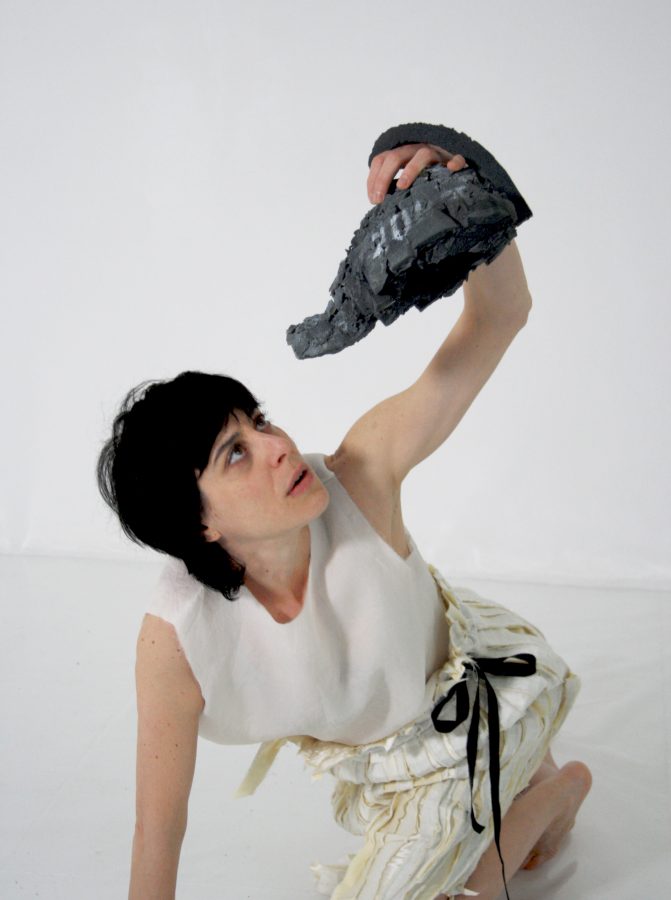
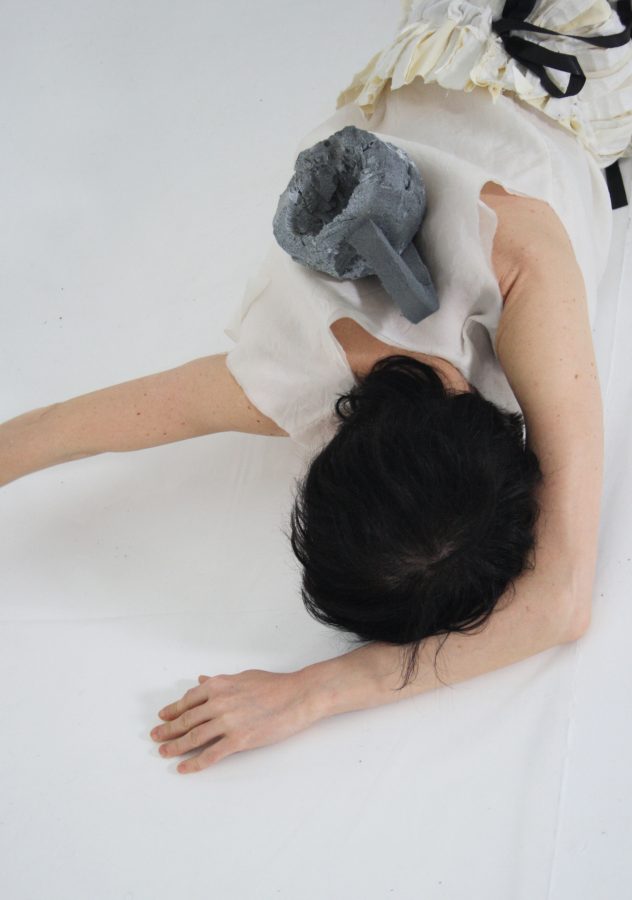
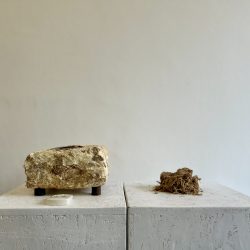
Objects as symbols of mutual exchange within typical social situations, imagined within a coquettish living room as a place of superficial communication. They appear heavy like stones but the actual material from which they are composed is the epitome of lightness.
An attempt to lighten oneself up, also adding pop accents in the general mood, to make what weighs lighter for both the weight bearer and the audience, digestible in a public context. An attempt to tell how each thing can be perceived differently by the actors interacting with it, to tell how every gaze determines not only a different reading but also a new version of itself, each time conditioned by that gaze.
Cement is mainly a binder made of limescale, clay, water.
Only adding rubble, it becomes concrete. During the smoothing process, the gravel remains shiny, creating an endless series of reflections, like mirrors embedded in the opaque material.
The specific weight of cement is determined by clay (or this is what the technical dictionaries say about it). The most malleable material, fragile and permeable.
And the weight of mirrors? How is it counted?
A reflection on the relativity of perception, on the concept of weight, understood as the attribution of different and personal importance to situations, thoughts and behaviors for each human being. But, at the same time, on weight as a burden that each person carries, weight of past situations imprinted in our mental (sometimes cultural) DNA.
How much do these interfere with the construction of one's own identity and how much with the one presented to the outside world? How important are one's weights in interpersonal relationships? And how much are they actually shown?
Objects as symbols of mutual exchange within typical social situations, imagined within a coquettish living room as a place of superficial communication. They appear heavy like stones but the actual material from which they are composed is the epitome of lightness.
An attempt to lighten oneself up, also adding pop accents in the general mood, to make what weighs lighter for both the weight bearer and the audience, digestible in a public context. An attempt to tell how each thing can be perceived differently by the actors interacting with it, to tell how every gaze determines not only a different reading but also a new version of itself, each time conditioned by that gaze.