

work
Punto
| category | Installation |
| subject | Abstract |
| tags | |
| base | 2 cm |
| height | 3 cm |
| depth | 0 cm |
| year | 2026 |
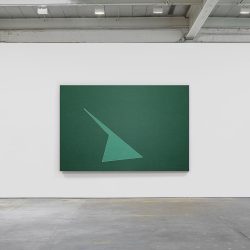
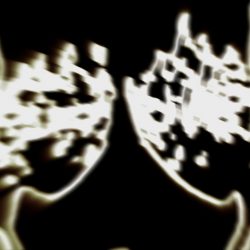
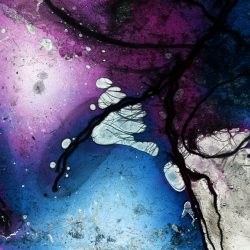
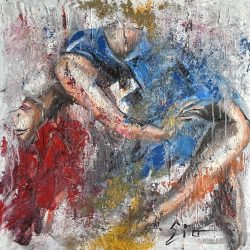
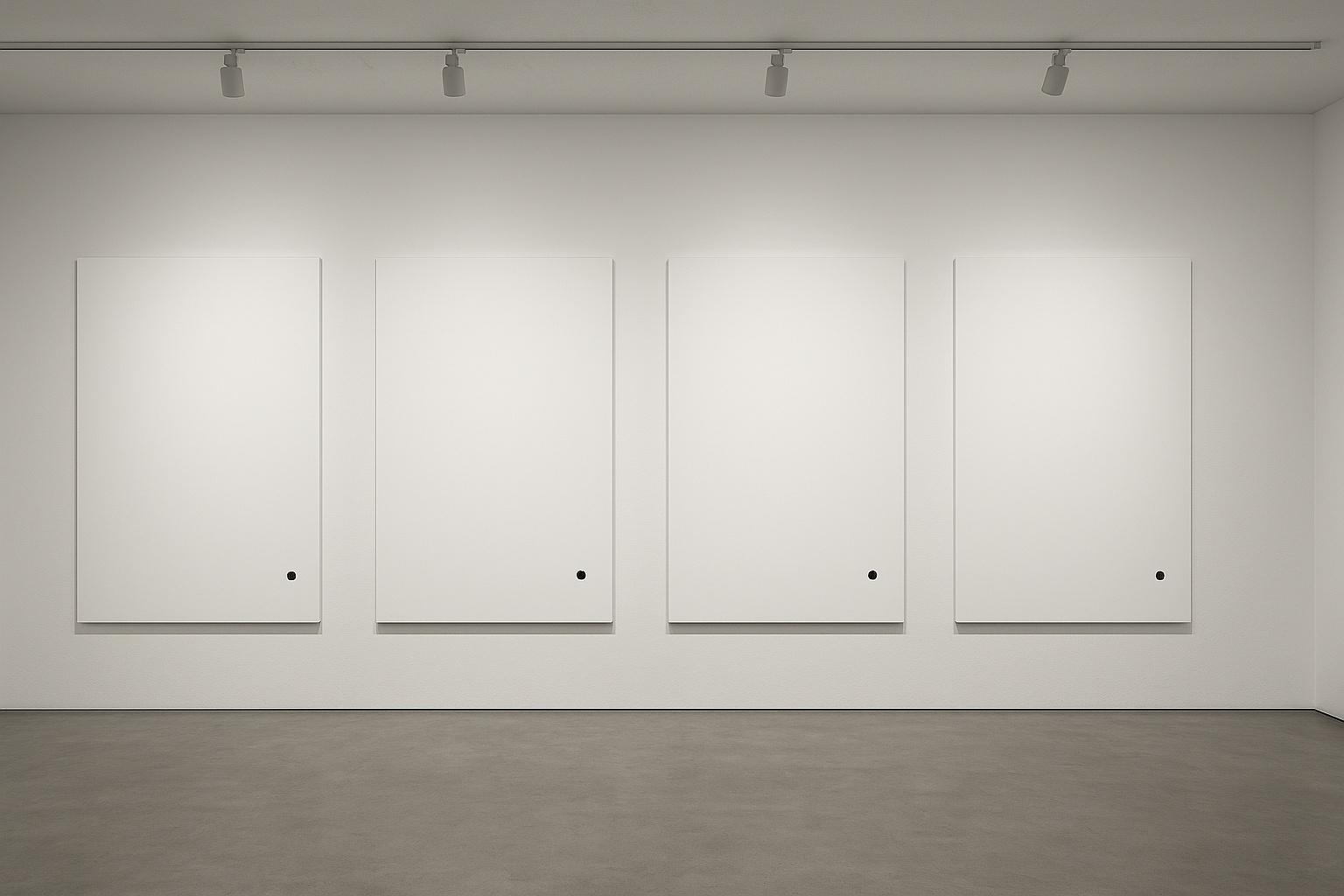
The images presented are renderings created using modeling software and are intended to
illustrate the ultimate vision of the projects. The captions accompanying the images are indicative,
designed to suggest potential titles and techniques.
A dot in the lower right corner of a blank page can have different meanings, depending on the
context in which it appears.
1. Graphic or symbolic element: It could be an intentional mark, used as a minimal symbol,
an abstract signature, or part of a visual artwork (as in concrete poetry or conceptual art).
2. Printing error or accidental mark: It could simply be a residue of ink,
a smudge, or a typographical error.
3. Typographical indicator: In some cases, it may indicate the end of a text or a section, even
though this type of dot usually appears centered or aligned with the text.
4. Control marker: In publishing or printing, it could be a mark used
internally to check alignment, margins, or for other technical purposes.
Instead, it is a project comprising a series of works that reflect on presence, absence, emptiness,
and the essence of suspicion. Any isolated dot on a neutral surface can represent
a thought, an end, a beginning, or a solitary, silent existence. “I don’t need to say anything,
this is everything.”
In an age saturated with images, words, and narrative frameworks, this work stands out with the
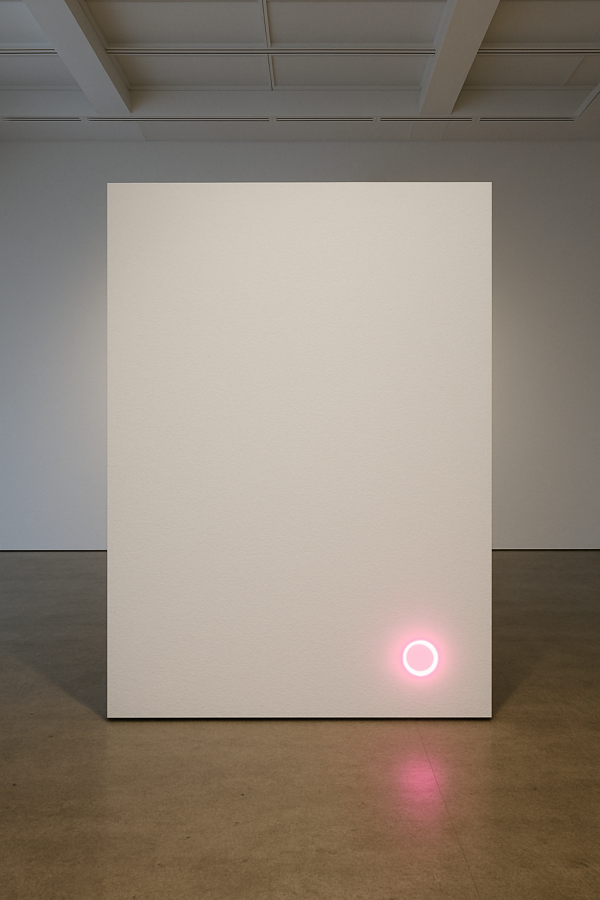
clear, disarming silence of a blank page. In the center of the room, a seemingly
empty surface stands as a monument to the unfinished, to the possible, to anticipation.
But the emptiness is only apparent. In the lower right corner, a small circular pink light breaks
the uniformity and betrays a precise intention: a full stop. Not a decoration, not a mistake.
It is a deliberate mark. It is the definitive closure of something that never began. An end before
the beginning.
The artist invites the viewer to grapple with the ambiguity of this gesture: is it a renunciation or a
declaration of intent? A provocation or a confession? The faint but present light suggests
that, even in silence, something pulses. Even on the blank page, a voice makes itself heard.
punto is a work that operates by subtraction, leaving room for imagination and reflection.
It is at once a minimalist manifesto and a conceptual challenge, an invitation to read between the lines,
to listen to the interval between one thought and the next.
After all, isn’t it precisely the period—small, silent, final—that gives meaning to everything
that precedes it?
illustrate the ultimate vision of the projects. The captions accompanying the images are indicative,
designed to suggest potential titles and techniques.
A dot in the lower right corner of a blank page can have different meanings, depending on the
context in which it appears.
1. Graphic or symbolic element: It could be an intentional mark, used as a minimal symbol,
an abstract signature, or part of a visual artwork (as in concrete poetry or conceptual art).
2. Printing error or accidental mark: It could simply be a residue of ink,
a smudge, or a typographical error.
3. Typographical indicator: In some cases, it may indicate the end of a text or a section, even
though this type of dot usually appears centered or aligned with the text.
4. Control marker: In publishing or printing, it could be a mark used
internally to check alignment, margins, or for other technical purposes.
Instead, it is a project comprising a series of works that reflect on presence, absence, emptiness,
and the essence of suspicion. Any isolated dot on a neutral surface can represent
a thought, an end, a beginning, or a solitary, silent existence. “I don’t need to say anything,
this is everything.”
In an age saturated with images, words, and narrative frameworks, this work stands out with the
clear, disarming silence of a blank page. In the center of the room, a seemingly
empty surface stands as a monument to the unfinished, to the possible, to anticipation.
But the emptiness is only apparent. In the lower right corner, a small circular pink light breaks
the uniformity and betrays a precise intention: a full stop. Not a decoration, not a mistake.
It is a deliberate mark. It is the definitive closure of something that never began. An end before
the beginning.
The artist invites the viewer to grapple with the ambiguity of this gesture: is it a renunciation or a
declaration of intent? A provocation or a confession? The faint but present light suggests
that, even in silence, something pulses. Even on the blank page, a voice makes itself heard.
punto is a work that operates by subtraction, leaving room for imagination and reflection.
It is at once a minimalist manifesto and a conceptual challenge, an invitation to read between the lines,
to listen to the interval between one thought and the next.
After all, isn’t it precisely the period—small, silent, final—that gives meaning to everything
that precedes it?